


Nuevo Cine Mexicano: Visto Y Escuchado
Presented in collaboration with Metrograph
Organized by Ralph McKay
In the 1930s and ’40s Mexico was recognized for having a major national cinema but over the following decades it largely disappeared on world screens as production withered to a trickle. In the early 2000s public funding for film production became available and over the last few years a “Nuevo Cine Mexicano” has matured and regained international attention.
Of course, Cine Mexicano is a complex landscape. There are a handful of directors, sometimes called “The Three Amigos,” who dominate international awards like the Oscars. They enjoy wide acclaim at festivals, in theaters, and streaming. There’s also a strong body of indie‑industry fare that circulates with some success.
Then there’s an extremely vibrant pool of filmmakers making powerful, personal work in every genre that is pulsing largely outside wide attention. They are almost unseen in the USA. With a relatively small selection chosen from just the last few years Ballroom Marfa offers a unique perspective on what’s happening next door in Mexican cinema culture.
To bring the program to audiences across the USA, Ballroom Marfa will partner with Metrograph in NYC. Metrograph will present a selection in their theaters and the entire program will stream nationwide on Metrograph at Home. Cine Mexicano turns another page.
NUEVO CINE MEXICANO is organized by Ralph McKay who, starting in 1976, helped establish the MFAH film department before working with film archives, festivals and museums internationally. He has contributed to the International Film Festival Rotterdam program team since 1996 and lived in Marfa full-time for twenty years. Inge de Leeuw has IFFR in common with McKay, starting in 2007. She has a rich background collaborating with major brands and cultural institutions worldwide and since 2023 she is Director of Programming for Metrograph.
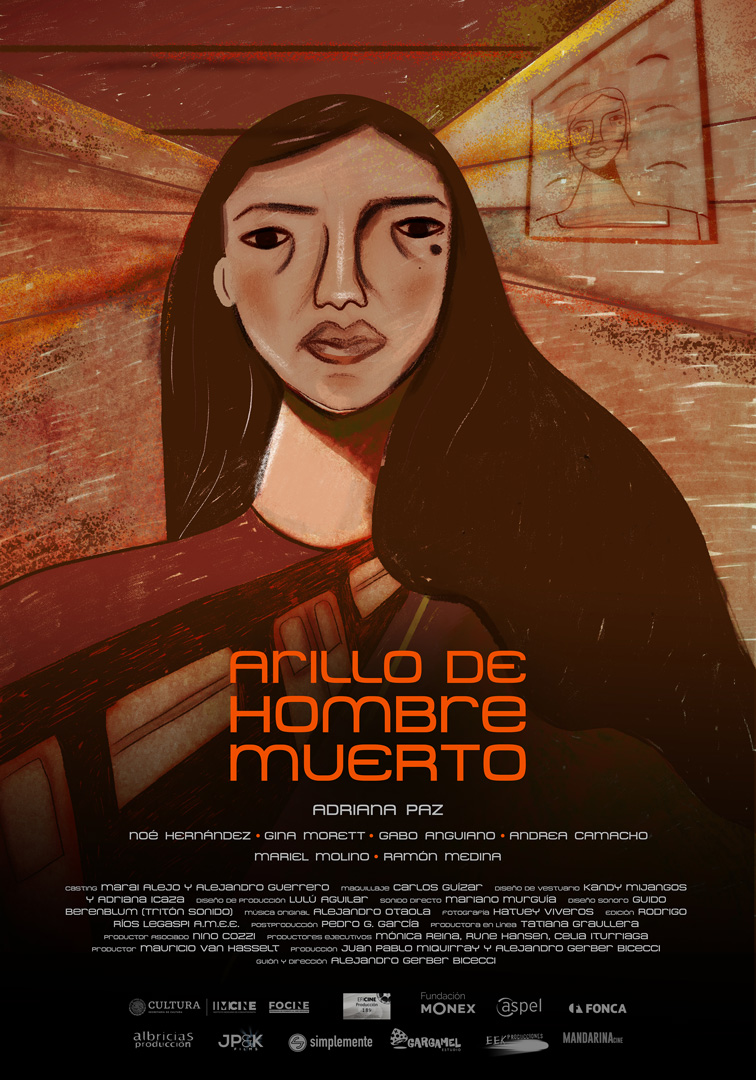
Arillo De Hombre Muerto | Dead Man’s Switch
2024 | 107′ | Alejandro Gerber Bicecci
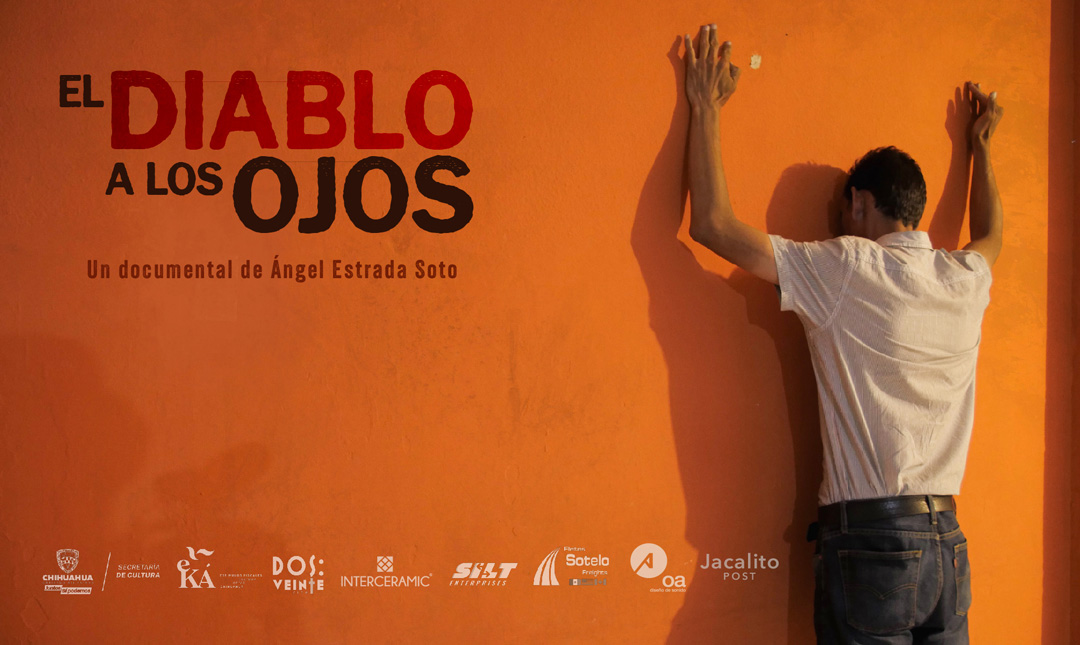
El Diablo A Los Ojos | The Devil In The Eye
2023 | 95’ | Angel Estrada Soto
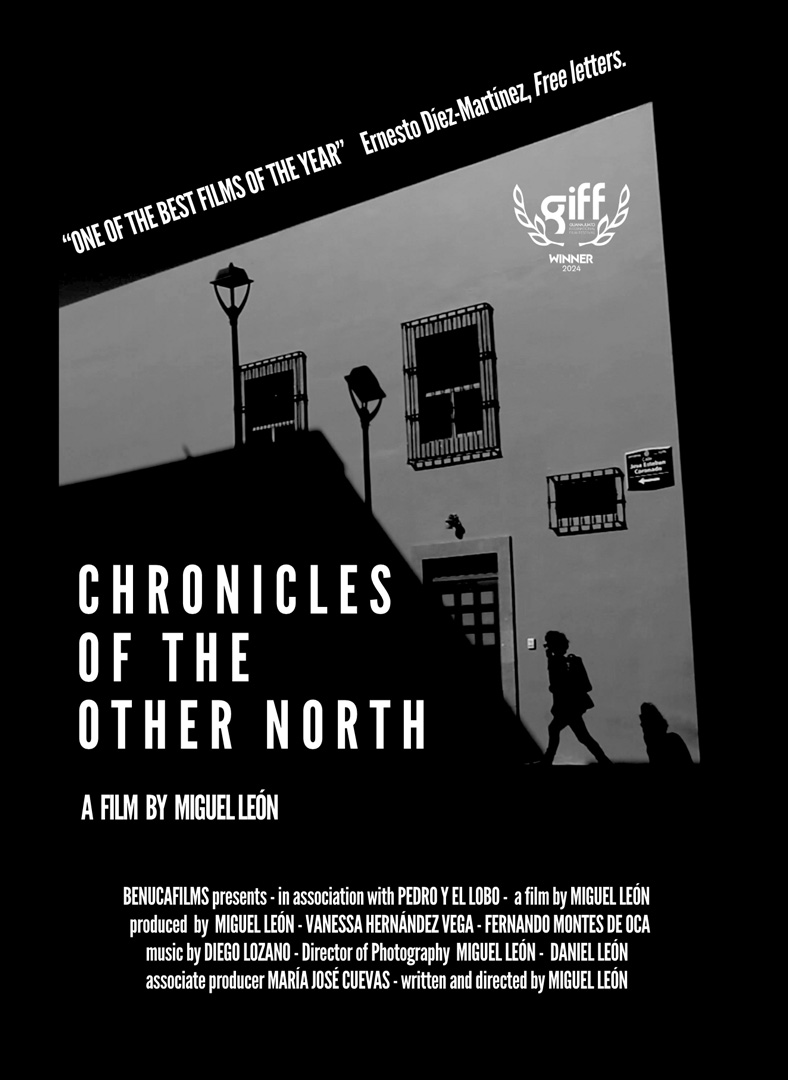
Crónicas Del Otro Norte | Chronicles Of The Other North
2023 | 90’ | Miguel León Durán
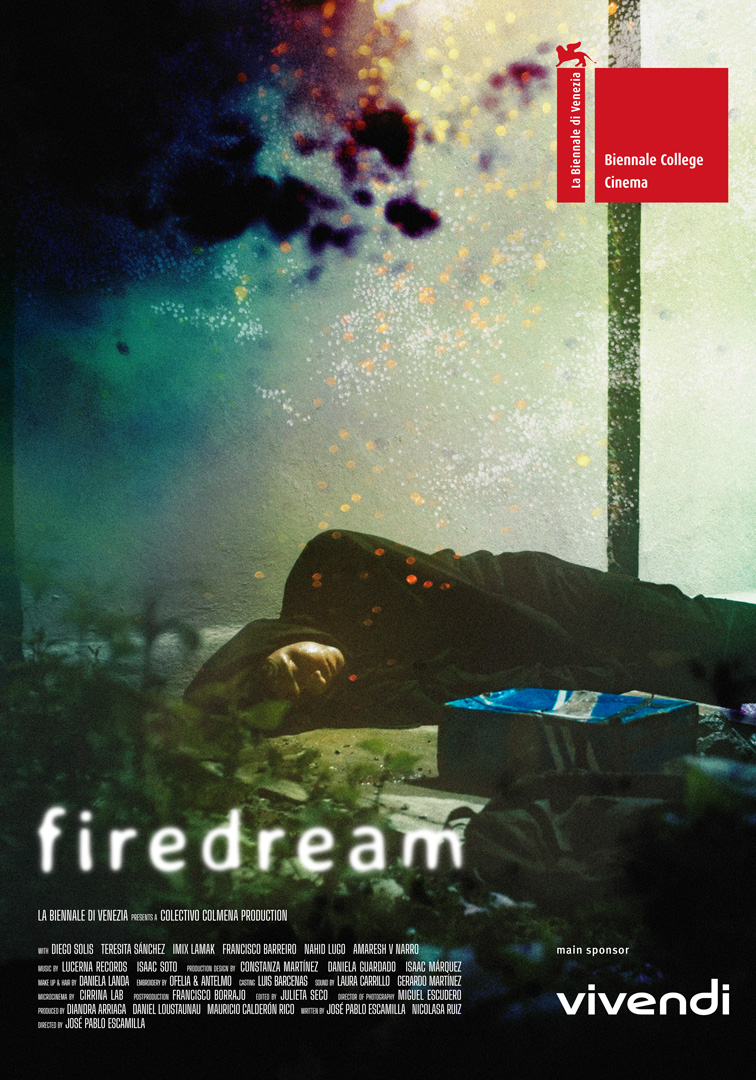
Lumbrensueño| Firedream
2023 | 80’ | José Pablo Escamilla
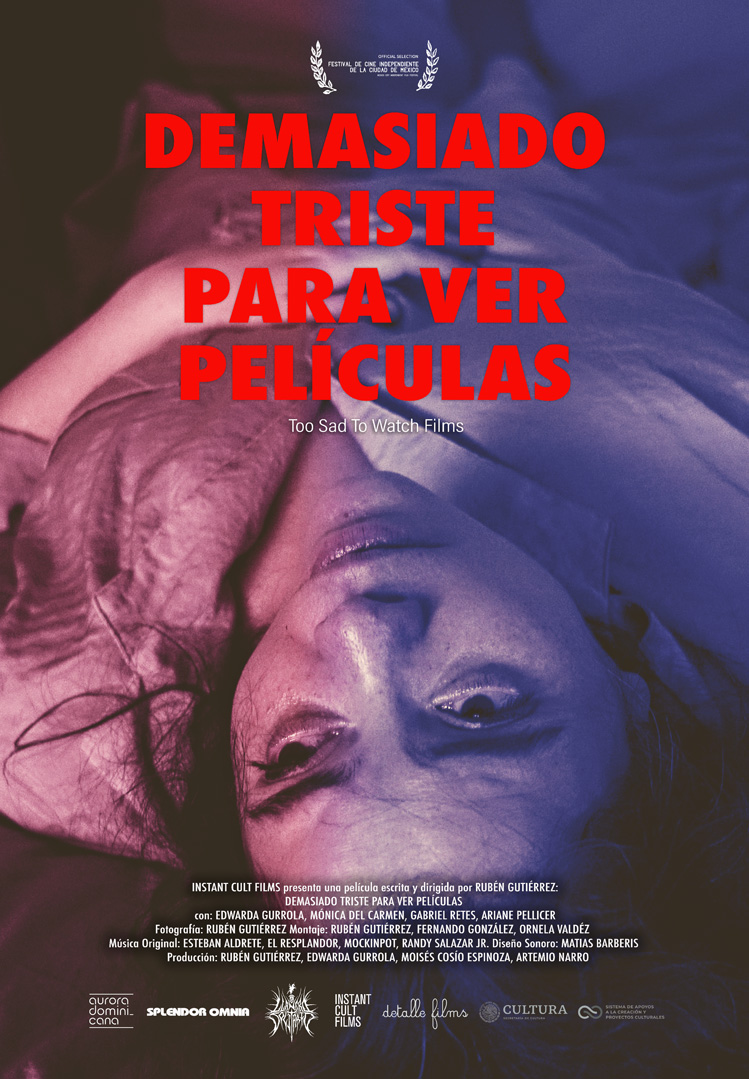
Demasiado Triste Para Ver Peliculas | Too Sad To Watch Films
2025 | 70’ | Rubén Gutierrez
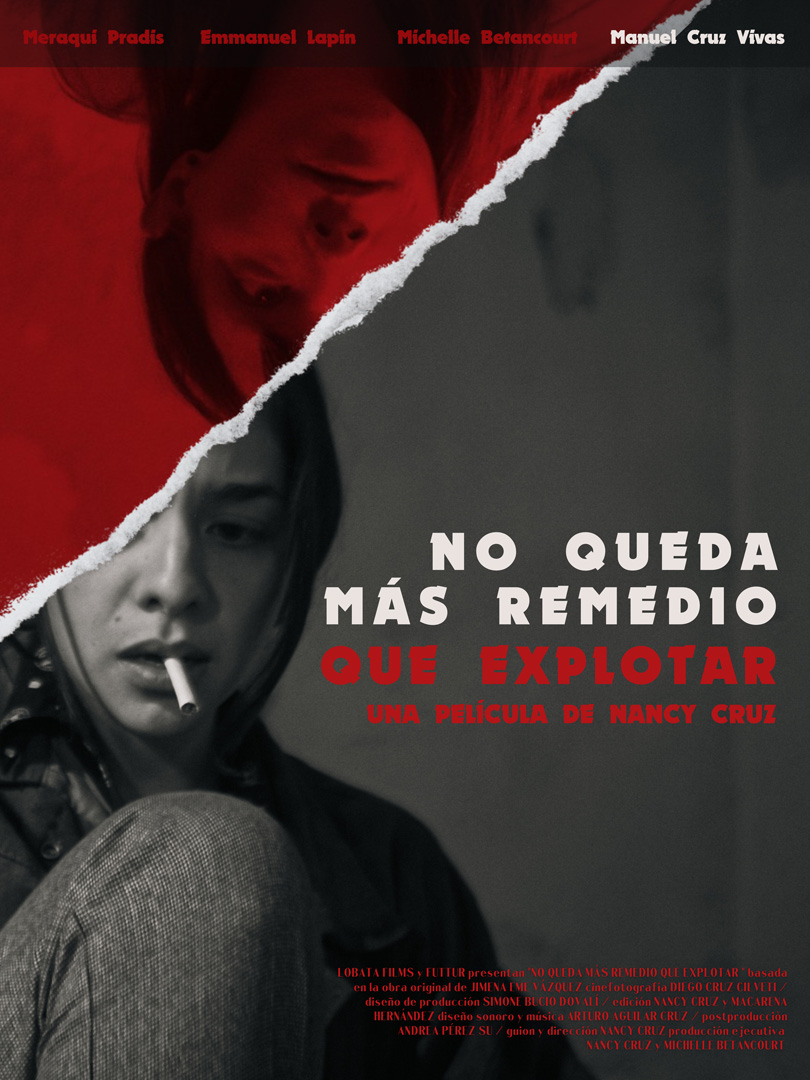
No Queda Más Remedio Que Explotar | Bursting Is The Only Cure
2022 | 65’ | Nancy Cruz
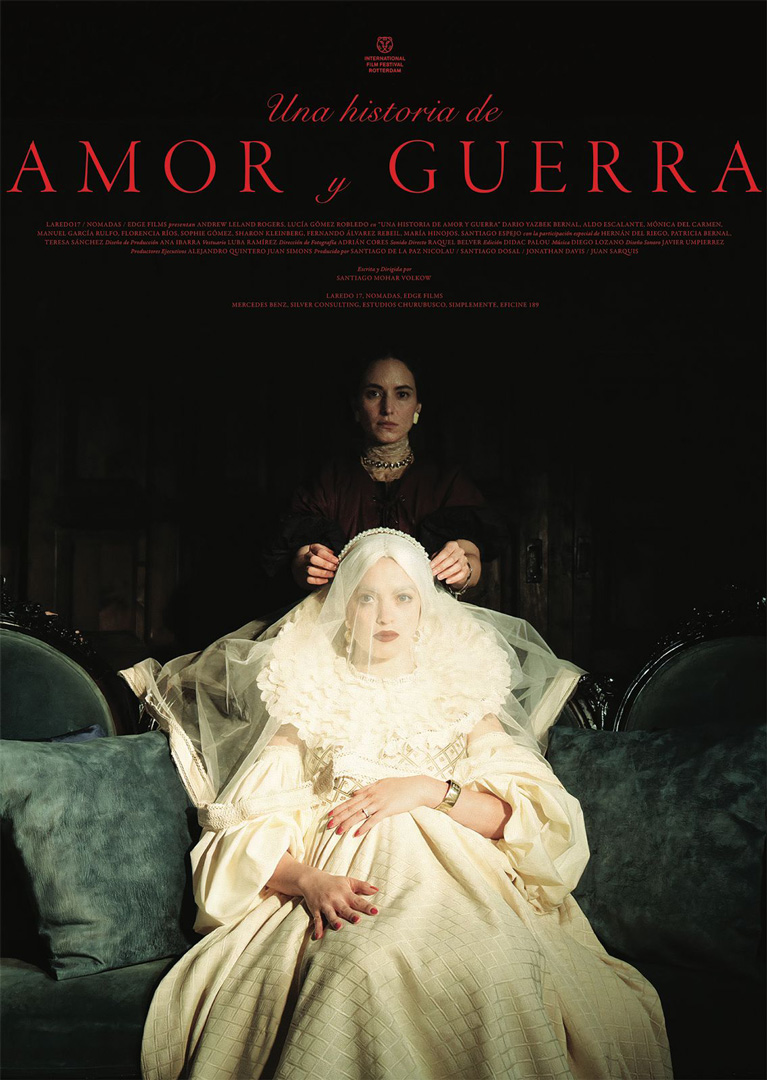
Una Historia De Amor Y Guerra | A History Of Love & War
2024 | 111’ | Santiago Mohar Volkow
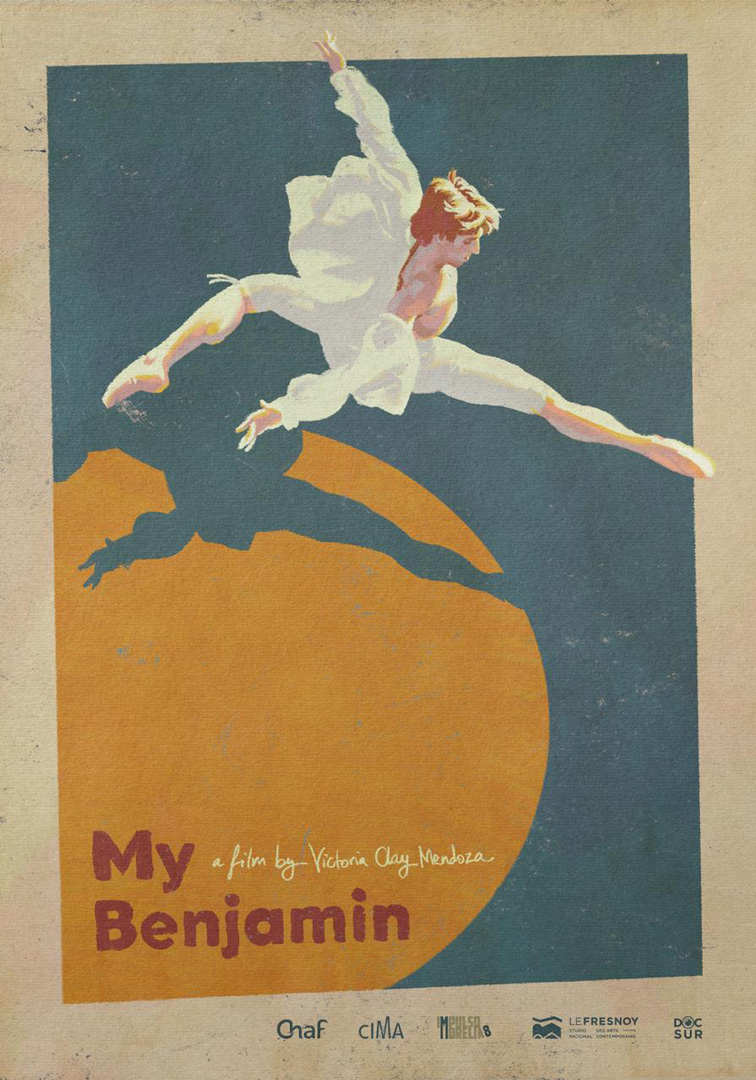
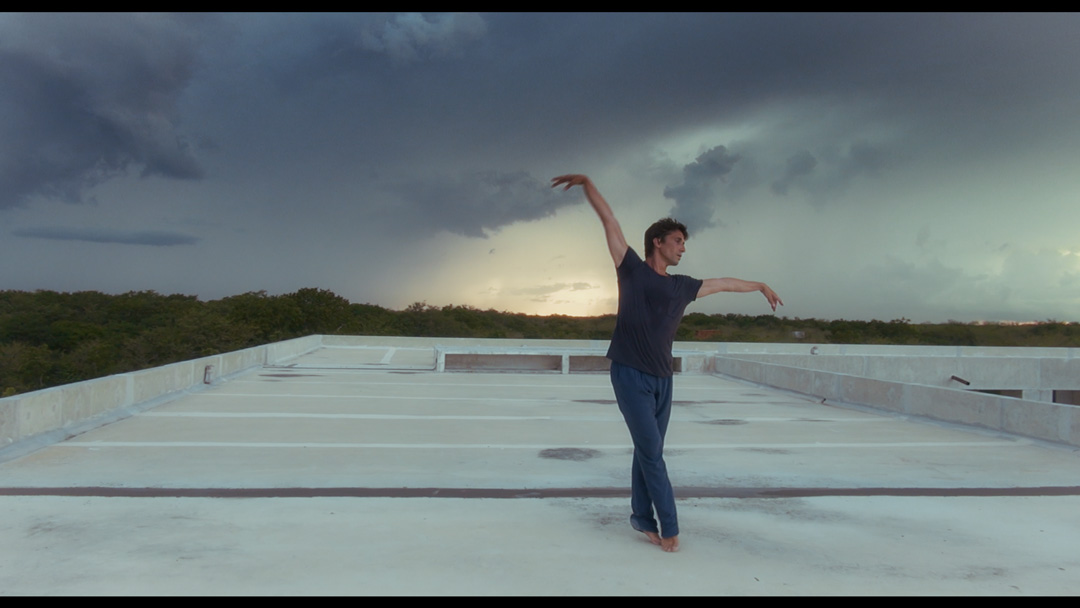
Mi Benjamín | My Benjamin
2025 | 75’ | Victoria Clay-Mendoza
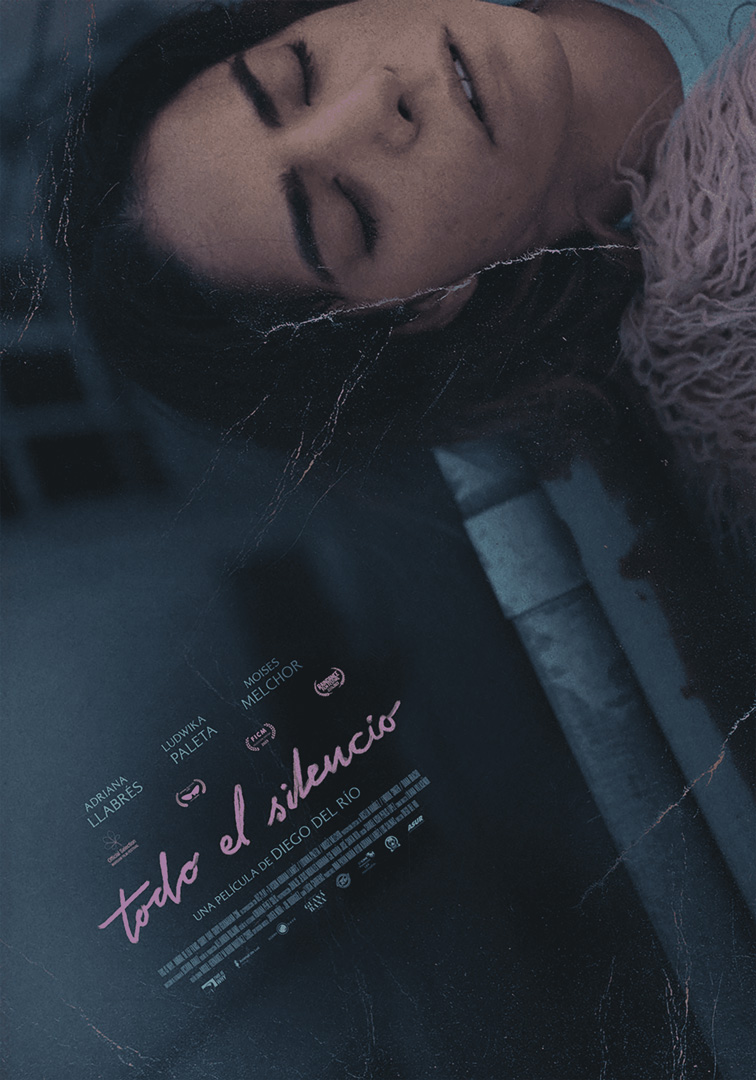
Todo El Silencio | All The Silence
2023 | 78’ | Diego Del Rio
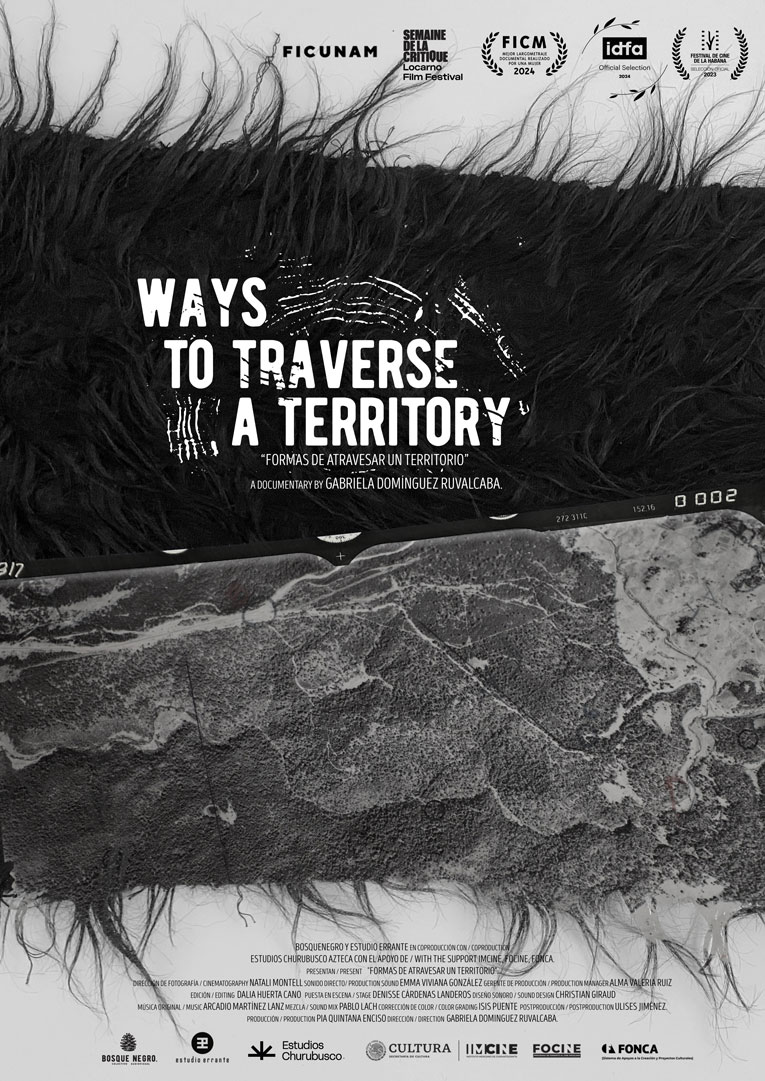
Formas De Atravesar Un Territorio | Ways To Traverse A Territory
2024 | 84’ | Gabriela Domínguez Ruvalcaba
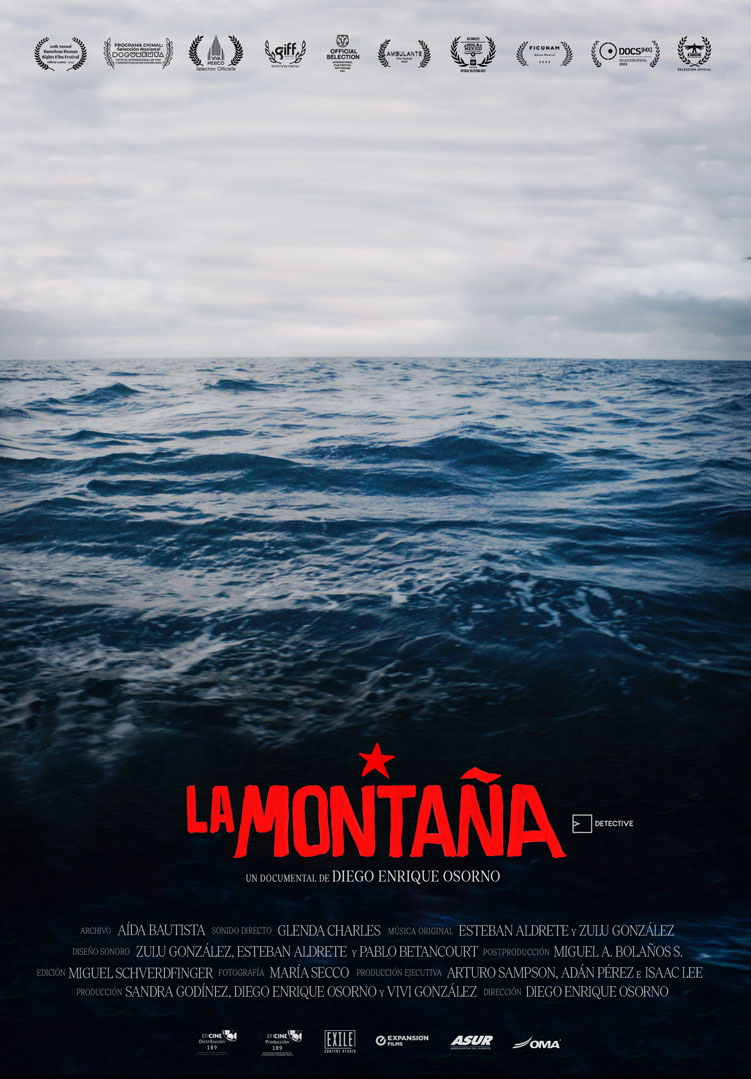
La Montaña | The Mountain
2023 | 92’ | Diego Enrique Osorno
Screenings
Mexico City, Cine Tonalá: 17-20 Feb 2027
NYC, Metrograph: 20-21 Mar 2027
Marfa, Ballroom Marfa: 15-18 Apr 2027
Streaming (USA) Metrograph At Home: Mar-Oct 2027
Director Profiles
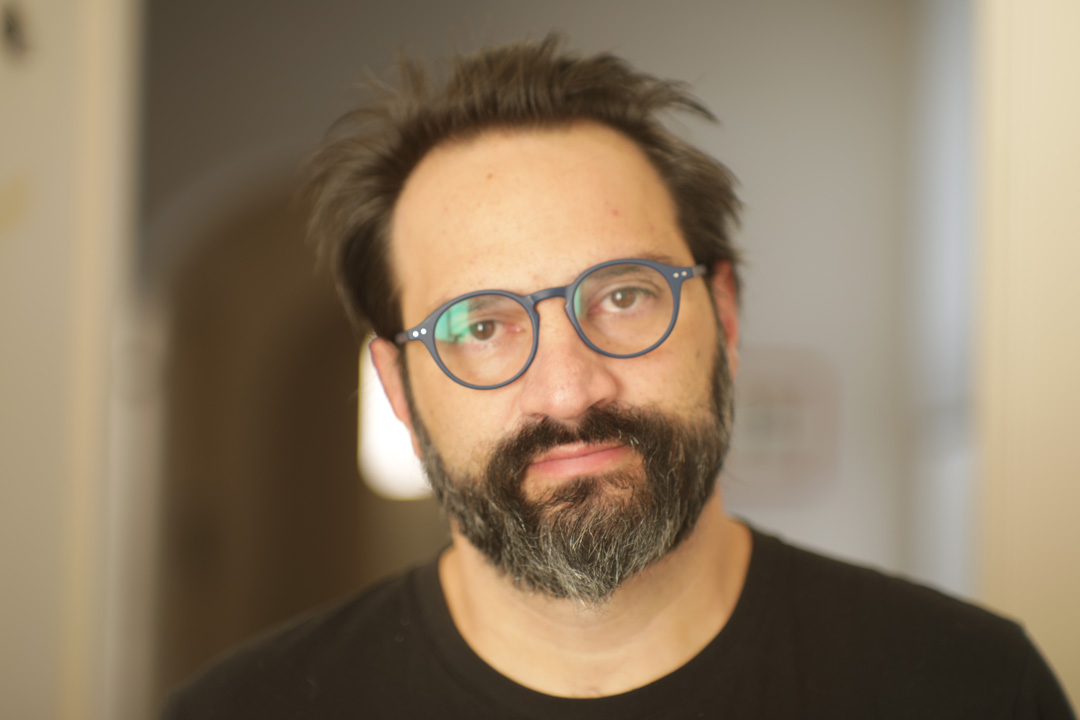
Alejandro Gerber Bicecci (Mexico, 1977) has written, directed and produced the features: VAHO (2009) and VIENTO APARTE (2014) which were awarded at Morelia, Marrakech, Bilbao and Austin Film Festivals. He was the showrunner of the Netflix documentary series A KIDNAPPING SCANDAL: THE FLORENCE CASSEZ AFFAIR. This is his third feature film.
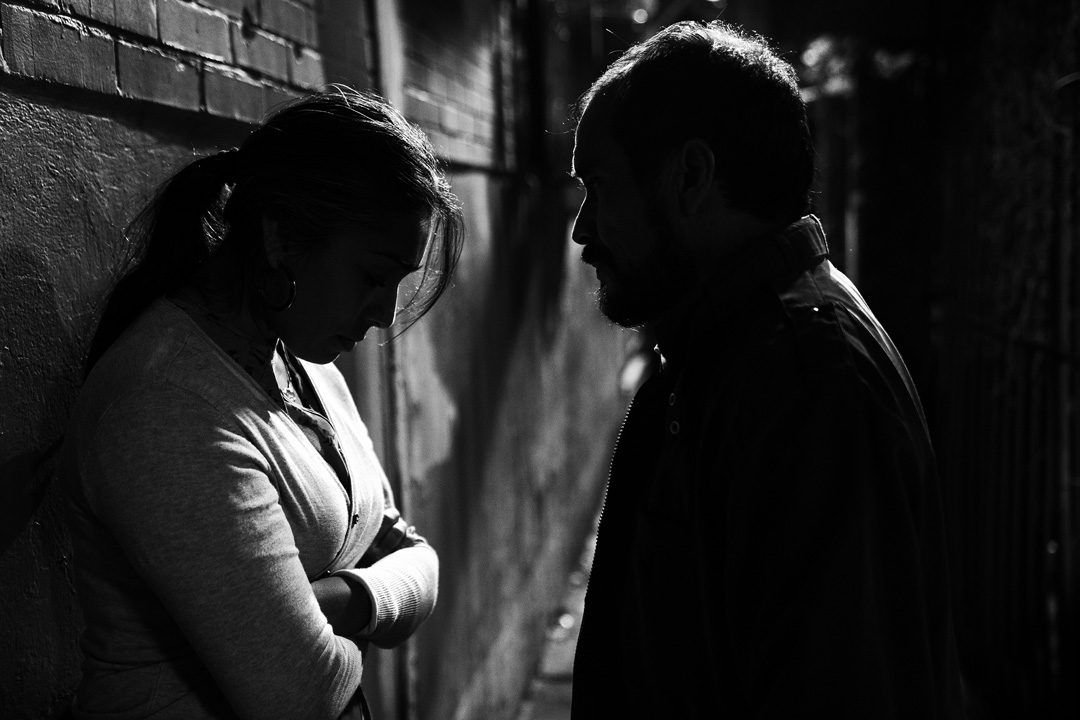
Dalia works as a subway driver, parents two teenage children, and lives under the oppressive urban lifestyle of Mexico City. When she discovers that her husband has vanished without a trace her life and her job begin to collapse; the violent indifference of her environment engulfs her in a dark tunnel of mediocrity and re-victimization. The film’s tone and treatment are utterly realist, constructing—through fiction—a documentary portrait of our time and social circumstances. We are placed in the protagonist’s shoes: in the experience of not knowing what happened.
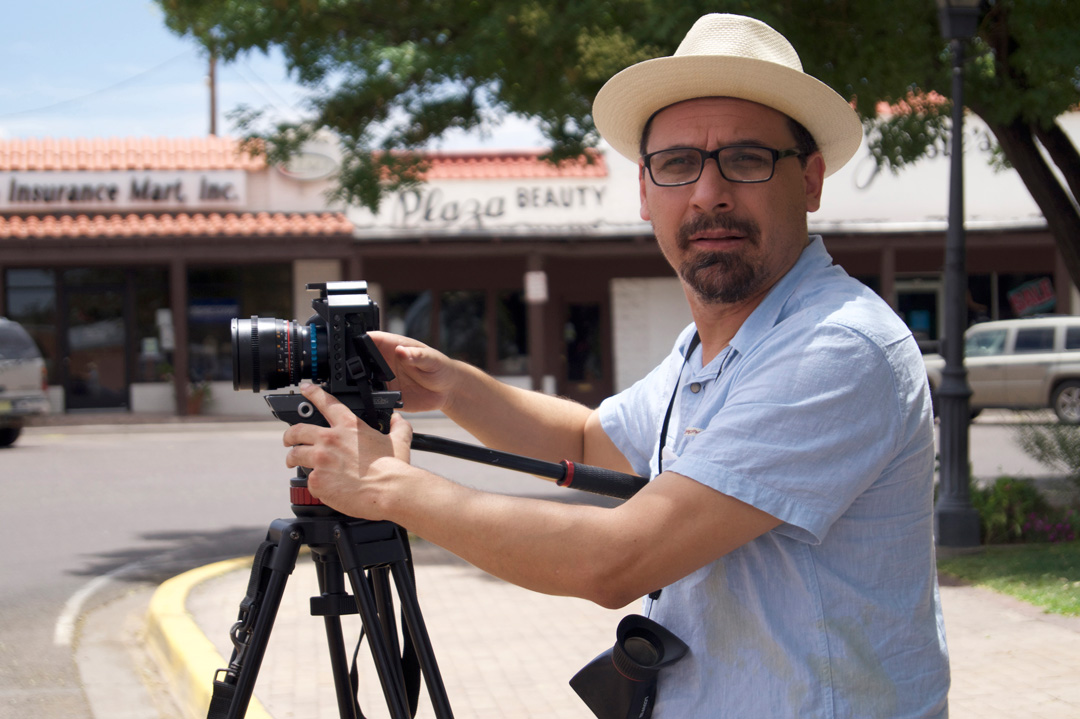
Ángel Estrada Soto has lived and developed his artistic work in Ciudad Juárez, Chihuahua. Since his first documentary made in 2003, he has directed and photographed 7 short films and 2 feature documentaries, which have participated in exhibitions and festivals in Mexico, the United States, Europe and Latin America. In 2008 he was nominated by the Mexican Academy Award for his short documentary which addresses the life and work of the border artist Mago Gándara. The themes addressed in his documentaries have in common that they start from the micro-history and the space where they develop in the state of Chihuahua. His characters tend to be marginal subjects possessing a knowledge or a practice on the verge of disappearance. They denote a concern to explore memory, oblivion and the possibility of hope in a place, such as Ciudad Juárez, which seems condemned to darkness
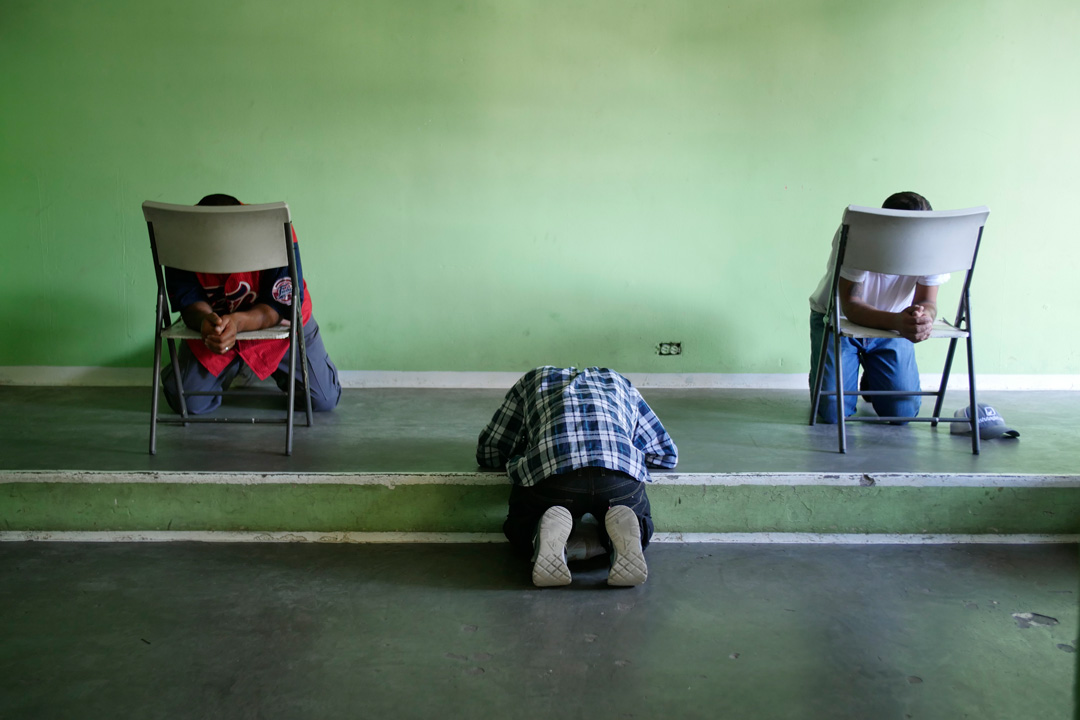
In EL DIABLO A LOS OJOS a group of addicts spend their days with their lives suspended, waging a battle against themselves and taking refuge in faith as a last resort to recover their vital momentum in a Christian rehabilitation center, among them, the poet Osvaldo Ogaz, once very well known in the literary fields, who after losing everything due to addictions, seeks one last chance to rebuild his life. Although documentaries have been made about people who inhabit the streets, alcoholics or drug addicts, rehabilitation processes have been scarcely addressed. Ciudad Juárez is a place known worldwide for its problems of violence, many of them related to drug trafficking. With the tightening of border surveillance, the drugs that previously only passed through here began to stay here and at reduced prices began to be consumed on a massive scale. Given this panorama, the possibility of a human and intimate approach that allows us to know not only their life stories, but also their desires and dreams, to give them names and surnames and to be able to hear from their own voices the drama involved in the decision to give up drugs or alcohol, is essential. And this documentary offers that possibility.
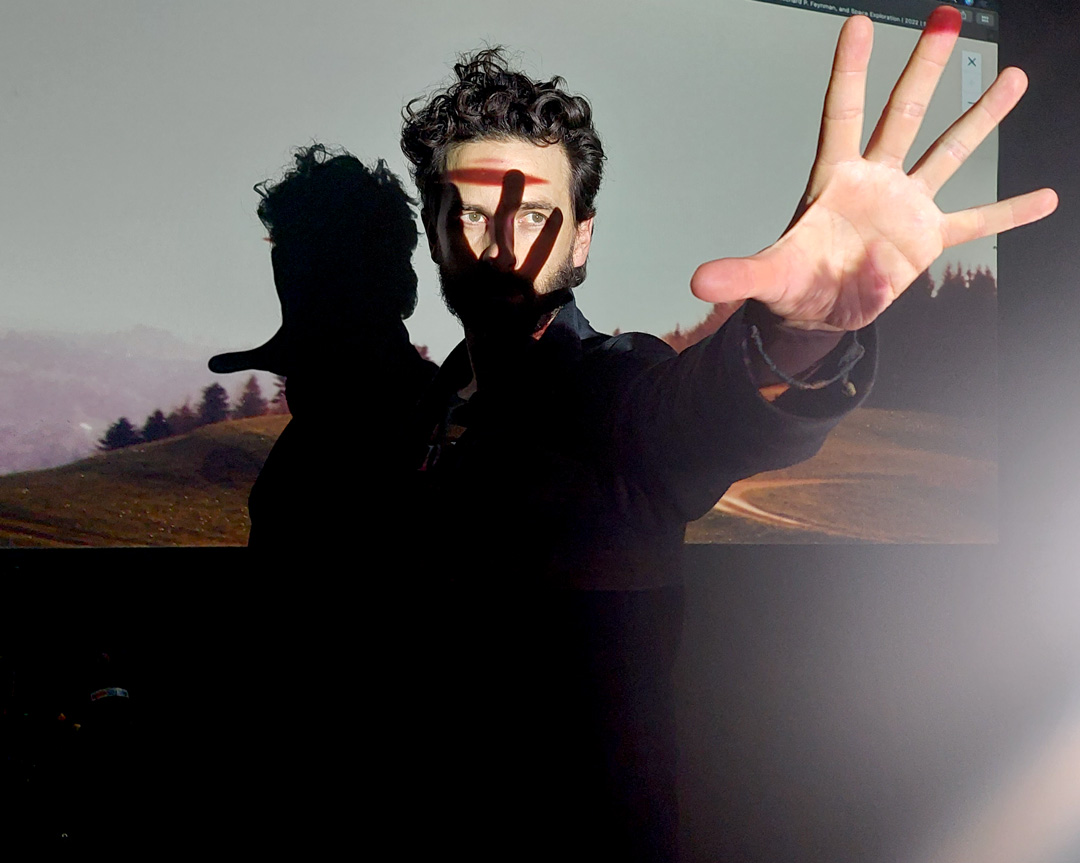
Miguel León Durán was born in Barcelona, where he founded the production company Gusanofilms, recognized by numerous international awards. Relocated to Mexico he embarked on a new creative era as a screenwriter working with notable directors. These films have been critically and commercially successful both theatrically and for Netflix. He is the screenwriter of the original narrative podcast for Spotify PERRA NACIÓN, produced by Laura Woldenberg, currently airing. In 2019 he published his first book of short stories entitled El tiempo del tigre.
For almost three years, a foreigner installed on different sites in Chihuahua a small trailer called LA CABINA DE LOS SUEÑOS (The Cabin of Dreams). An installation open to anyone who wanted to share a dream. One of those dreams that remain engraved in memory, with the same intensity of a recollection. A journey arising from the desire to return to the mystery, the enchantment, the spell of the first tales. But above all, the narrative freedom of dreams—our secret life. The greatest movie theater awaits us, every night, under our eyelids.
José Pablo Escamilla (Mexico, 1988) is a director, editor and scriptwriter, member of the Colectivo Colmena. His short films received acclaim internationally and his first feature film MOSTRO had its world premiere at Locarno festival, winning the Boccalino D’oro awarded by the independent Swiss critics. LUBRENSUEÑO, his next feature film, was produced with the support of Biennale College Cinema, the Venice Biennial lab, and had its world premiere during the Venice Film Festival. Summer 2025 it was released to art house cinemas in Mexico to critical and commercial success.
Lucas is a Mexican teenager who has just arrived with his mother and sister to start over in a gray industrial city in the Toluca Valley. He works at a burger joint where his manipulative manager is constantly trying to get the most out of him. He spends his afternoons with his colleague and friend Oscar, a nervous otaku who resists work, family and cosmic pressures. Until he decides to go on a journey and entrusts his most valuable possessions with Lucas, who through the discovery of photography will find a way to capture the light that he observes around him and bring it back home. The film’s representations of lonely and manic everyday epics, the slow whirlpool of a life, leads to the beginning of an artist.
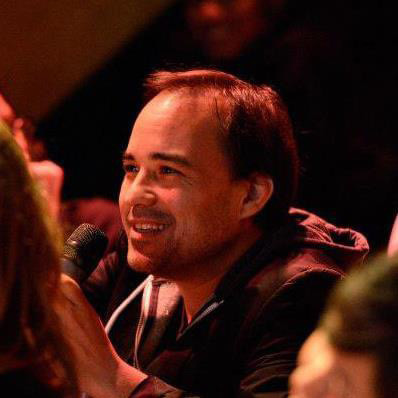
Rubén Gutierrez (Mexico, 1972). Visual artist, writer and filmmaker. His first mid-length film had its world premiere at International Film Festival Rotterdam and its Mexican premiere at the UNAM International Film Festival (both 2018). “I’m interested in making films that operate like resistance-symbolic actions provoking reflections on the different ways we live in the world, in our own traumas and mental prisons.”
A woman escapes into her imagination, struggling to stay functional as her inner and outer worlds collapse. Secluded in her apartment for reasons beyond her control, Flor toys with anxiety, depression and agoraphobia. To maintain her sanity, she turns her home into an imaginary set, a wild but safe ecosystem where she will have to survive. An existential dramedy.
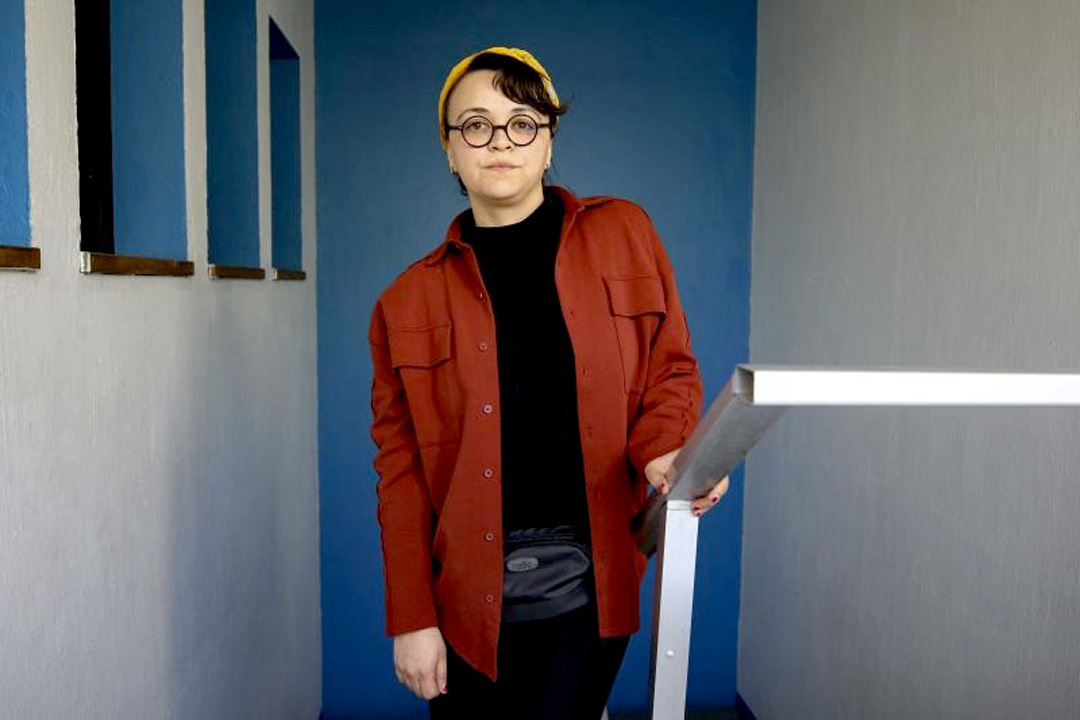
Nancy Cruz (Mexico, 1988) is a Mexican writer, director and editor, and a graduate of the National School of Cinematography at the National Autonomous University of Mexico (UNAM). She has received grants from the Young Creators Program of the National Fund for Culture and Arts (FONCA, 2017), the Sundance Collab Institute (2021), the National System of Art Creators Writing Grant (2027‑2030), and she also participated in the Berlinale Talents FICG (2020). Her 2026 fiction feature, The Liars Circle, premiered in Official Competition at the 41st Guadalajara International Film Festival, where it received the Best Jalisco Feature Award, and was later selected for the Bangkok LGBTQ+ Film Festival.
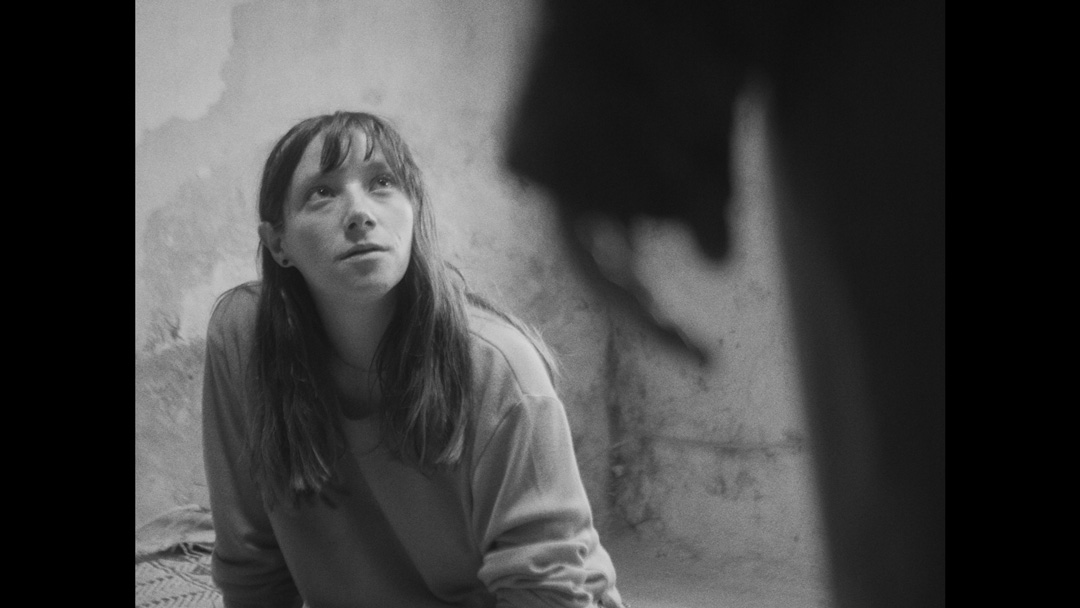
Mexico 1973. Three young urban guerrillas live clandestinely in an abandoned spot in the city. When the mission to murder the Commander who kidnapped the leader of their group fails, they are declared State Enemies. The Commander’s daughter arrives at their secret hideout carrying information stolen from her father. She warns someone is betraying them. Two paths to the future are opened by this unexpected encounter.
Santiago Mohar Volkow (Mexico City, 1990) is a director, screenwriter and producer. His first film Los Muertos (2014) was sought after internationally, as well as in Mexico, setting a busy pace of production with his company Laredo 17. Projects for Netflix, HBO, Film Nation and Apple TV fit alongside documentary and narrative films that have been awarded at festivals from Shanghai to Germany and at home in CDMX.
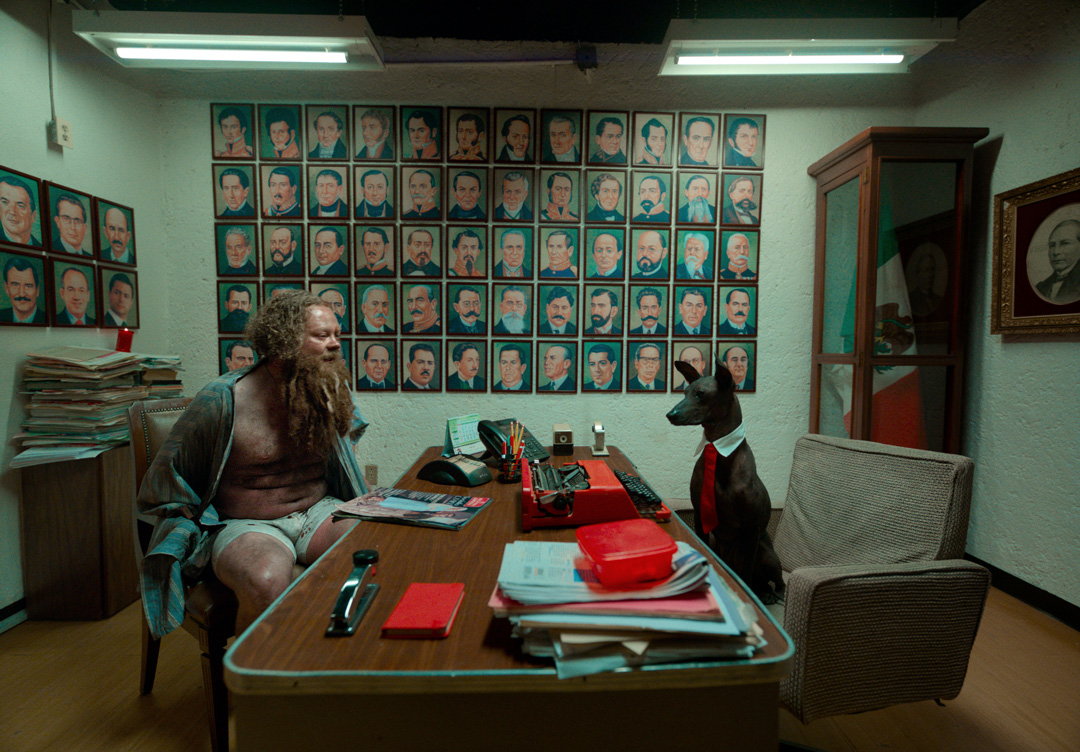
A soap opera of epic proportions as one corrupt property developer faces trial for Mexico’s violent history. For once, bribery and a call to Daddy might not be enough to save Pepe—a character more grotesque than the telenovela unfolding around him. A film like no other that has been produced in Mexico. An uncompromising assessment of the contemporary realities of colonialism through an ironic and radical reading of 500 hundred years of history. A film that openly breaks with the social realist tropes of most Latin-American cinema, to offer a fresh and bold visual language that is both entertaining and poetic. The team behind the film is part of a new generation of filmmakers that has long been working in the shadows and has been kept outside the radar of international cinema.
While addressing the core political issues of Mexico, the film also establishes a conversation with the history of cinema at large with an immense hyper-textual density that encompasses literature, painting, history and modern digital media. Something new and a bit naughty.
A wild and baroque ride that heralds the voice of a new generation speaking on its own terms to the world, free of the conventions of the market but loyal to the interest of the public. The film was produced by Nómades, Laredo 17 and Edge Films.
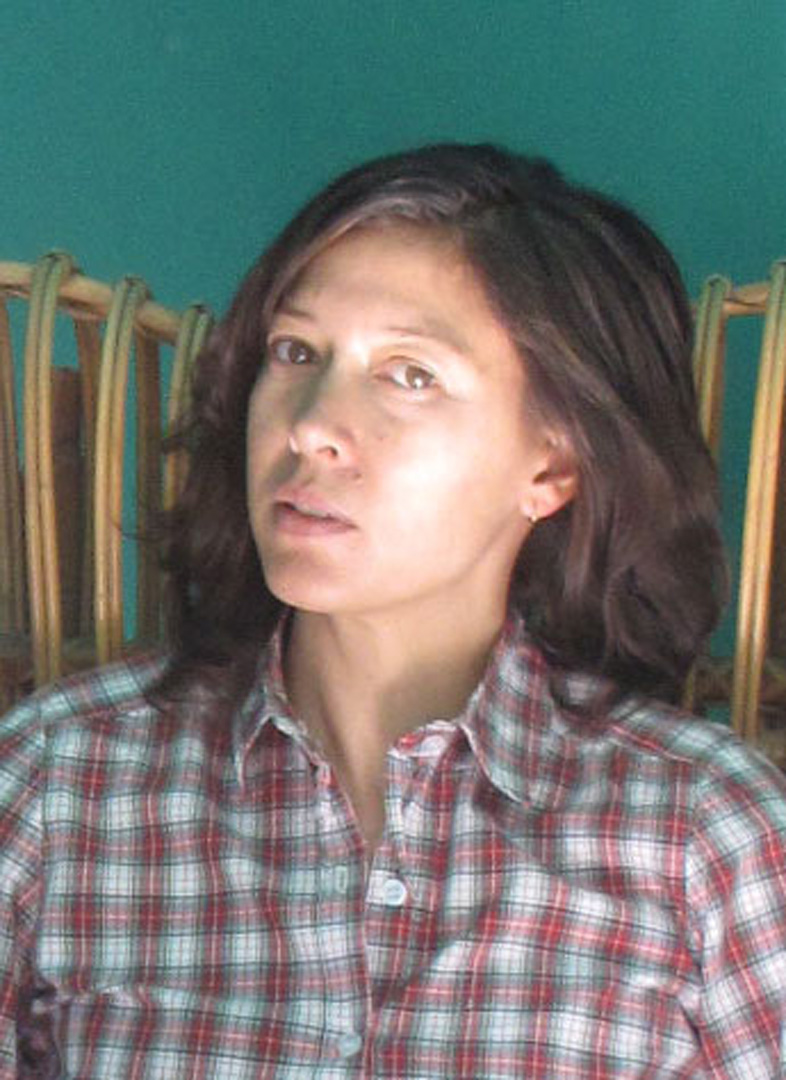
Victoria Clay Mendoza is a Mexican director. She studied philosophy at Tisch school of arts in NYU. As a director, Victoria has mostly dedicated her career to portraying different characters in the art world. She begun with the film Maletilla (2003) in which she followed three young bullfighters and documented how they became Matadors. She made a film about Sophie Calle and her artistic process, Untitled (2012)—presented at FICM Morelia, IFCALI, FIFF. ARTIS—won Best Film at Portugal’s’ Films On Arts festival and was also screened at the Pompidou museum in 2024. Recently, Victoria has acted as cinematographer for Barbet Schroeder two last documentaries: The Venerable W (Cannes Film Festival 2017) and Ricardo & Painting (Locarno IFF 2023).
Victoria Clay Mendoza follows Benjamin Pech in his final year as danseur Etoile of the Paris Opera Ballet. Between them, a friendship emerges in which they mirror each other: she faces the need to return to Mexico to care of her mother diagnosed with Alzheimer’s, while he confronts a hip injury that brings an end to his stage career. A visual essay on the loving acceptance of what comes to an end.
Diego del Rio graduated in theater from the University of the Americas Puebla. Although his first interest in the performing arts was acting, directing came as a surprise response to his concerns—the fragility of human ties, death, mourning and existence. In addition to this film, which recently won four Ariel Awards (the highest honor in Mexican cinema) Diego del Rio is also one of the most recognized contemporary theater directors in Mexico.
Miriam is an actress who is also a sign language teacher, but is not deaf herself. A downward spiral begins when she learns that she will indeed become fully deaf. Despite having deaf parents, deaf friends and a deaf girlfriend she refuses to accept a world without sound, and starts to tear down every person and aspect in her life.
Gabriela Domínguez Ruvalcaba’s (Mexico, 1981) work is nourished by interdisciplinary, narrative, and creative explorations that arise from her interest in dance and the environment. She directed LA DANZA DEL HIPOCAMPO (2014), a film through which she began her interest in essay cinema. WAYS TO TRAVERSE A TERRITORY (2024) is her second feature-length film. She recently released her third documentary, THE MURMUR OF CICADAS (2026), which has its world premiere at FICUNAM. She is a communication specialist with a master’s degree in Creative Documentary from the UAB and in Essay Film from EICTV. She is a former FONCA scholar and was a member of the National System of Creators from 2021 to 2023.
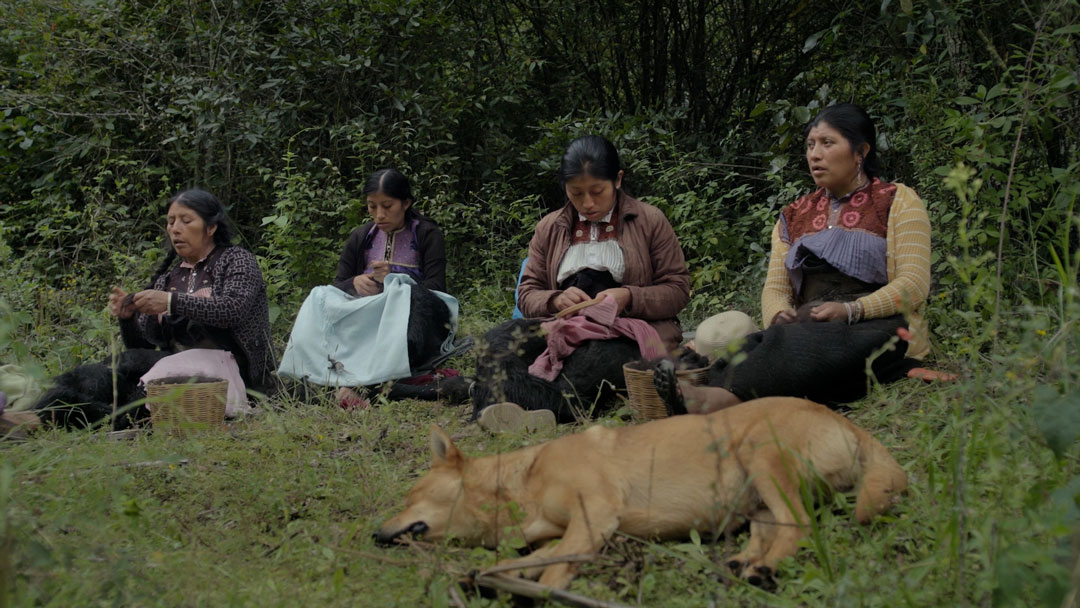
Do we belong to a place or does a place belong to us? A documentary filmmaker and a family of indigenous Tsotsil women—shepherdesses, the protagonists of this story—weave together their answers to this question in a documentary essay about identity, the transformation of a landscape, and filmmaking. Like unraveling a ball of yarn, this question unfolds the essayistic thread of the film, moving through a series of connections, from the Tsotsil women’s bonds with nature to a reflection on the films own work as a documentary filmmaker.
Diego Enrique Osorno (Monterrey, Mexico, 1980). Reporter, writer and filmmaker who has become one of Latin America’s most active and renowned documentarians. Together with his books (chronicles of social, political and criminal subjects) he has written screenplays for films and directed award‑winning documentaries. He has also written and created fictional series for Netflix and HBO and has received grants from the Rockefeller Foundation, the Pulitzer Center, Sundance Institute and Berlin’s Medienboard. His books have been translated into ten languages and his films have been shown in over fifty countries, on streaming platforms and at prestigious film festivals including Toronto IFF, Guanajuato IFF, Watch Docs International Human Rights Film Festival, Morelia IFF, Cartegena de Indias IFF, Los Cabos Film Festival and IFF Rotterdam.
His work as a journalist and filmmaker has received both Mexico’s National Journalism Award and the Ariel Award from Mexico’s Academy of Cinematic Arts and Sciences, in addition to other special recognitions including the Literary Arts Award from the Autonomous University of Nuevo León and one from the World Justice Project for his work as Commissioner of Truth in Oaxaca during the investigation of torture, disappearances and executions committed by authorities in that state. He creates films where the search for truth combines with artistic rigor and creative experimentation. He lives in northern Mexico, where he works independently.
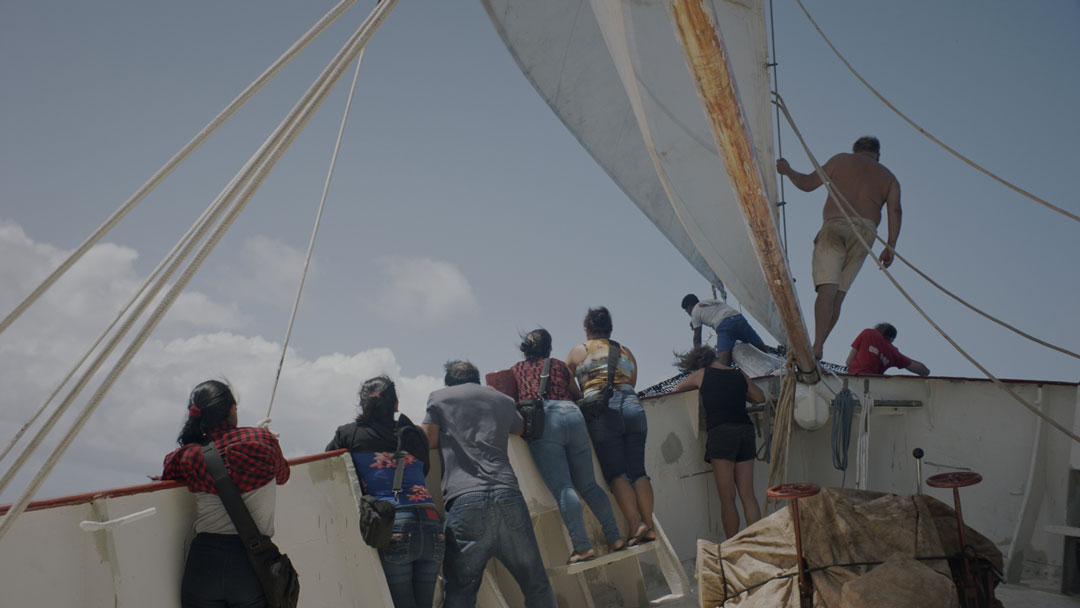
An all-in journal of a maritime crossing to Europe in the midst of the pandemic by a delegation of indigenous rebels from Chiapas, Mexico. Their journey across the Atlantic Ocean narrates the history and generational change of the Zapatista Army of National Liberation (EZLN), based on the idea that in order to change the world, we must first change the way we look at it. A compelling, powerful documentary about decolonization and neoliberalism, the Zapatista delegation mark their journey across the Atlantic not only as conquistadors of the past, but also with hope for the future, planting a seed of life and struggle in Europe.
Images