Newsroom

After Effect

September 17, 2015

Exhibition

Dan Colen  |  Loie Hollowell  |  The Transcendental Painting Group  |  Arturo Bandini  |  Oscar Fischinger

After Effect was a group exhibition featuring immersive artworks in painting, sculpture, installation and film that ranged from the cosmic and psychedelic to the sensual and visionary. The exhibition looked at historical paintings and film from the ‘30s and ‘40s alongside works from contemporary artists that address notions of the sublime, touching on mortality, landscape, the body, and various modes of abstraction.

Dan Colen produced a new triptych of large skyscapes based on stills from the 1940 Walt Disney film Fantasia, work that continued his exploration of spirituality and mortality via pop culture. Achieved through an arduous process of layering paint, the cloud paintings evoke both the cartoon and the Romantic sublime. The paintings appeared alongside a sculpture from Colen’s recent Canopic series, solid silver casts taken from the negative space formed by roadside guardrails mangled in automobile accidents.

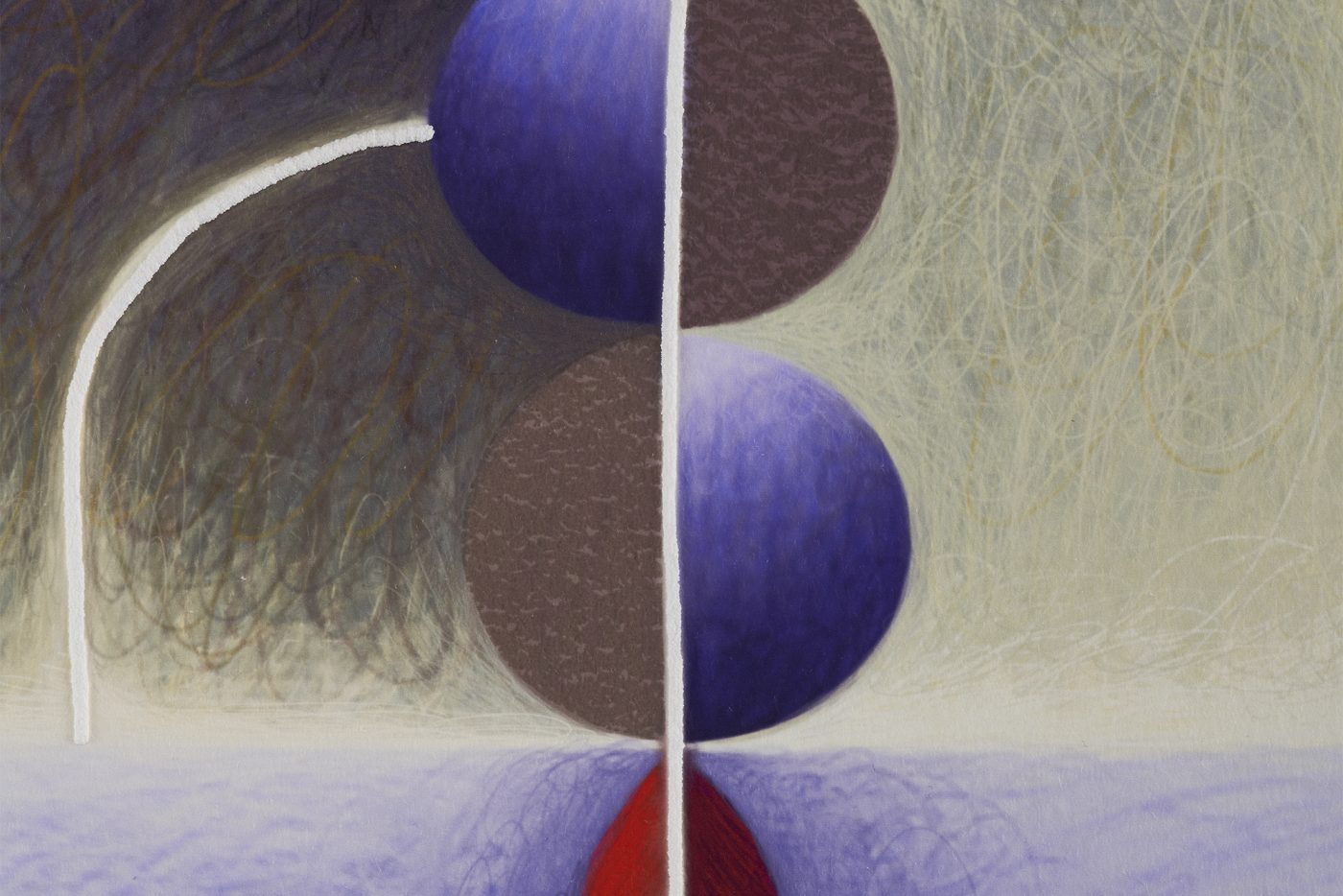
Painter Loie Hollowell’s work displayed an abstract geography of bodily forms – vaginas, nipples, phalluses, tongues – in vivid oil on linen canvases that radiate with texture and symmetry. The artist finds inspiration in Catholic iconography as well as the architectural forms of European Gothic and Islamic architecture, while recent praise in the New York Times places her in a lineage with both Georgia O’Keefe and Judy Chicago.

After Effect also featured historical works from the Transcendental Painting Group, artists who figure largely in Hollowell and Colen’s lexicon. Founded in New Mexico, the Transcendental Painting Group existed from 1938-1942 and aimed to “defend, validate and promote abstract and non-objective art.” The exhibition included works by Emil Bisttram, Raymond Jonson, Agnes Pelton, Florence Miller Pierce, and Stuart Walker. The group’s manifesto identifies their aim to carry “painting beyond the appearance of the physical world, through new concepts of space, color, light and design, to imaginative realms that are idealistic and spiritual” in an effort to “widen the horizon of art.” 

Ballroom Marfa’s south gallery featured Oskar Fischinger’s iconic Radio Dynamics (1942), a silent animated film which ebbs and flows with rhythmically edited abstract forms. This meditative, painterly work is suggestive of Fischinger’s overlooked contributions to Fantasia and is just one example of his wildly influential role as the father of the visual music tradition.

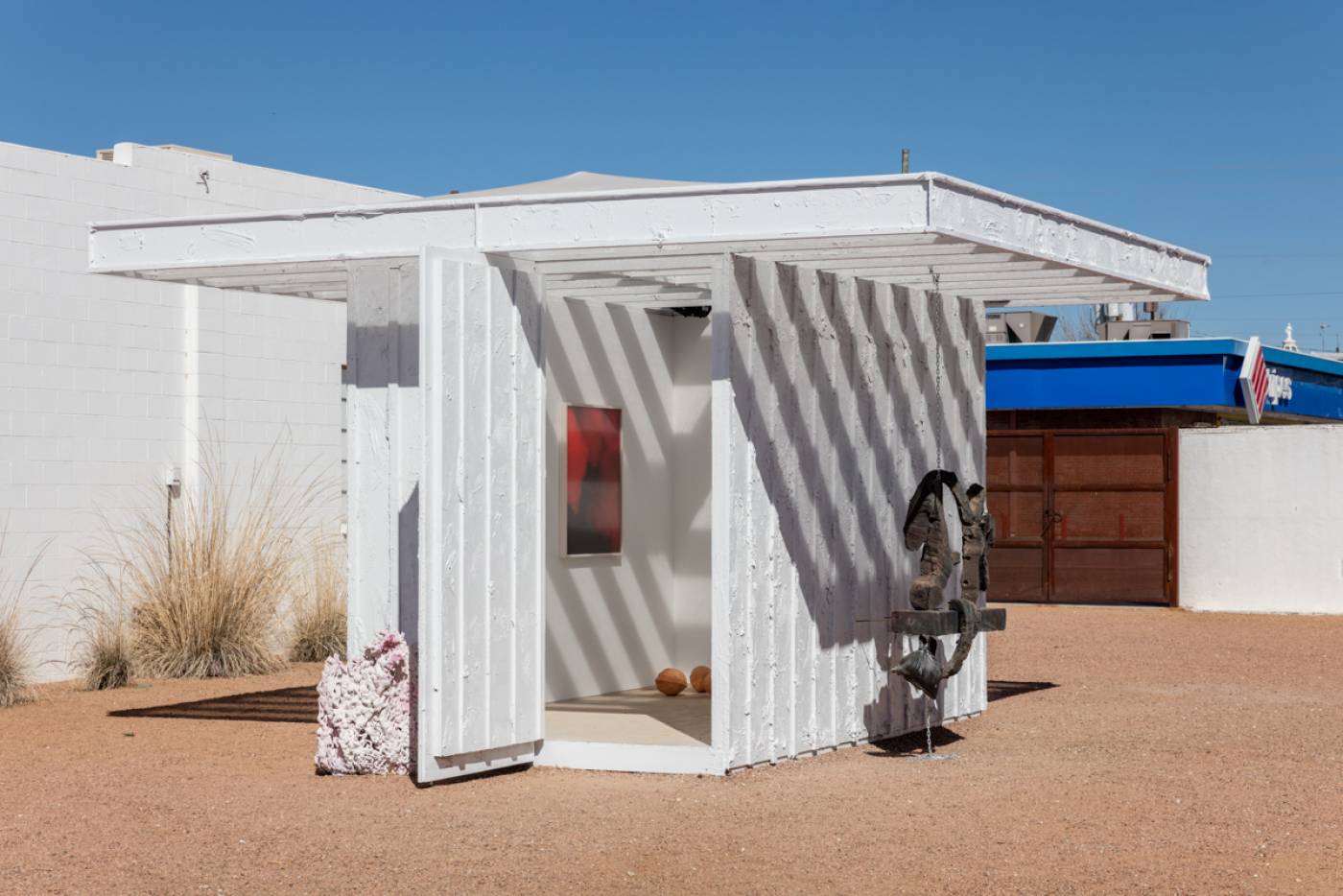
In Ballroom’s courtyard, Arturo Bandini hosted two shows-within-the-show, Vapegoat Rising and Dengue Fever, over the run of After Effect. These micro-exhibitions play with and off of the exhibition’s transcendental themes. Arturo Bandini is a collaborative project/gallery by artists Michael Dopp and Isaac Resnikoff. Their first installation, Vapegoat Rising, is described by the artists as a “percolation of fog and rock” and features work by Josh Callaghan, Kathryn Garcia, Mark Hagen, Rick Hager, Yanyan Huang, Whitney Hubbs, Sofia Londono, and Barak Zemer. The second show, titled Dengue Fever, functioned as “a sort of Henri Rousseau delirium, a jungle of feeling, and a landscape turned inwards” with work by Kelly Akashi, Marten Elder, John Finneran, S Gernsbacher, Drew Heitzler, Sarah Manuwal, Calvin Marcus, and Roni Shneior.

From the cosmic to the corporeal, the works in After Effect evoked a transformative aesthetic effect – showcasing a spectrum of sublimity across mediums and revealing the resonances that exists between the artist’s process and the viewer’s experience. 
 

Artists’ Film International — Brigid McCaffrey

September 14, 2015

Screening + Geology Walk

Brigid McCaffrey


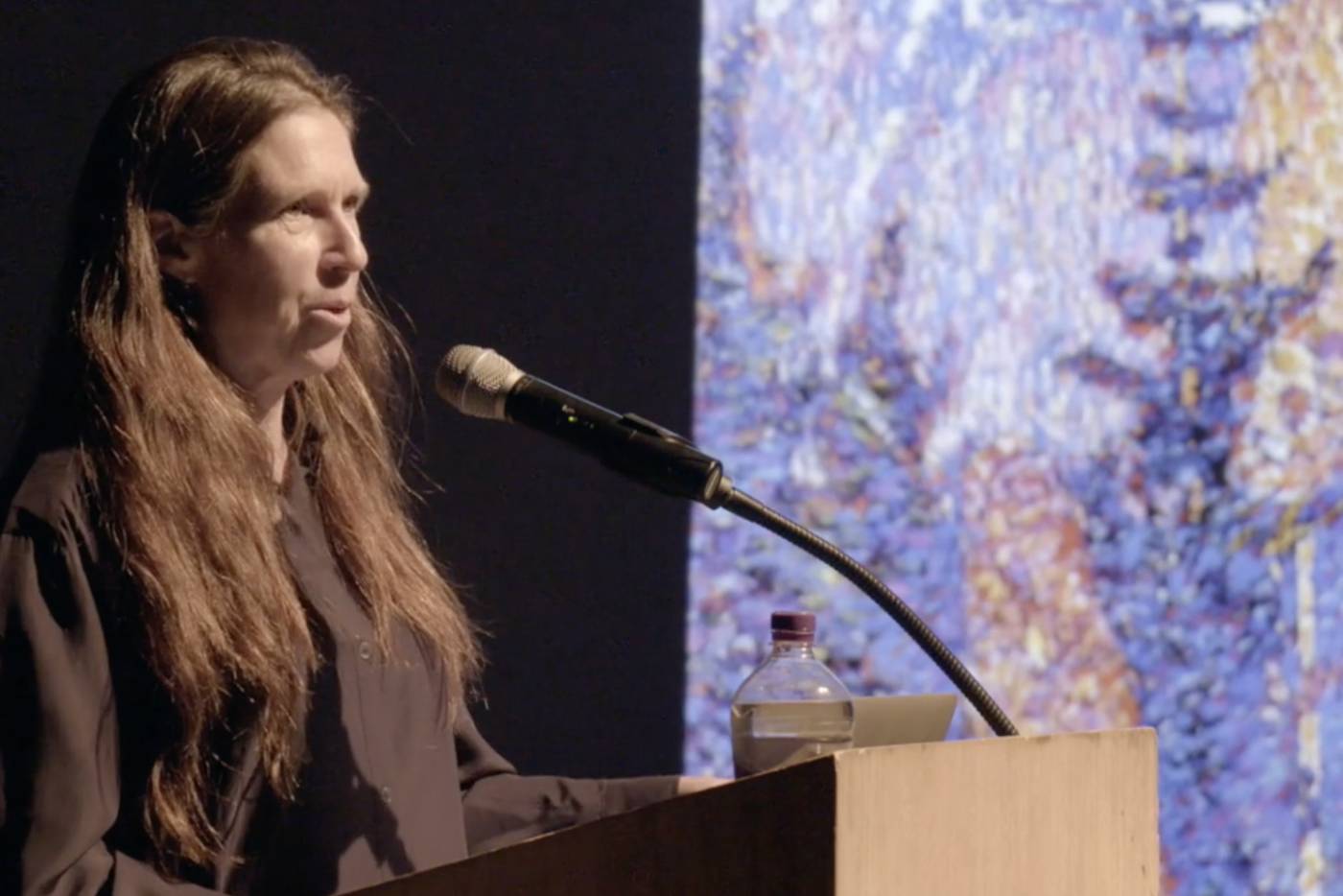
Organized in conjunction with Whitechapel Gallery, London, Ballroom Marfa presented the 2015 season of Artists’ Film International, a global exchange that showcases artists working in film, video and animation, featuring the work of Los Angeles-based filmmaker Brigid McCaffrey.

Many of McCaffrey’s films are set in landscapes that convey precarity and flux. Her approach to documentary focuses on environments and people in transition, and considers these subjects over long periods of time. Her works meditate on the tension between individualism and community in the midst of unstable economic and ecological realities. Shaped by the process of portraiture, the films respond to the physical and emotional changes of their subjects, creating documents that fuse representations of self and place. 

Ballroom hosted a free screening of a selection of McCaffrey’s works on film, including the piece nominated for AFI–Paradise Springs–which features Ren Lallatin, an itinerant geologist who studies the Mojave Desert. The film follows the wandering geologist as she describes her interactions with the natural world, while voicing her rejection of land regulation and privatization. A conversation with McCaffrey and Lallatin complemented the screening, and the following day offered a walk-in loop of the other AFI film from around the world. 

A geology walk and lecture led by Lallatin and a local geology professor, Jesse Kelsch from Sul Ross State University, added context to the films. The walk/lecture took place at the Far West Texas-based nonprofit Chihuahuan Desert Research Institute’s land reserve and geology viewing area. 

Strange Attractor

Exhibition

Lawrence Abu Hamdan | Thomas Ashcraft | Robert Buck | Alexander Calder | Beatrice Gibson | Phillipa Horan | Channa Horwitz | Lucky Dragons | Haroon Mirza | Douglas Ross


Strange Attractor explored the uncertainties and poetics of networks, environmental events, technology, and sound. The term “strange attractor” describes the inherent order embedded in chaos, perceivable in harmonious yet unpredictable patterns. Sound and music pervaded the exhibition, physically or latently, through production or allusion. Visitors were confronted with leitmotifs of capital, transmigration, and asylum.

Strange Attractor invited the collision of historical and contemporary artworks in diverse media, including Alexander Calder’s previously unseen, noise-making, hanging mobile Clangors from 1942, a sister work to The Clangor, which Calder described as “three heavy plates that gave off quite a clangor.” Calder described sound as being integral to the effect of “disparity” in his compositions: “Here was just another variation. You see, you have weight, form, size, color, motion and then you have noise.” Clangors was presented alongside Channa Horwitz’ numerological graphic scores 8th Level Discovered from 1982 and Sonakinatography I Composition XXII from 1991, as well as contemporary pieces from artists working in a wide range of mediums.

The exhibition debuted Agreements (5—10), a commission from Lucky Dragons, the collaborative project of Sarah Rara and Luke Fischbeck. Custom designed tuning forks were installed in the Ballroom courtyard, and their tones broadcasted throughout the town of Marfa on overlapping radio frequencies in a continuously evolving sonic sculpture. Listening while moving, one could hear geographical borders as they were crossed. The tuning forks, one double-sided and the other four-sided, resonate with two and four narrowly-separated pitches, respectively. Each pitch corresponded to one of the six radio transmissions, serving as the basis for the music in that signal. 

For the newly commissioned work Foreign Exchange, Phillipa Horan worked with a commercial biotech laboratory to produce the first large-scale figurative sculpture grown from mycelium, the single cell root system of mushrooms. Foreign Exchange came into fruition from an interest in democratic networks and systems with an absent central point of power: The mycelium material is similar to the Internet, and other organisms’ webbed biospheres, such as honeybee hives and ant colonies. The work is a figurative sculpture of Charon, the mythological ferryman who transports the dead across the river Styx, and was literally grown––at certain points it was alive and unpredictable, before being dehydrated in heat chambers, killed, and essentially stabilized. The biotech sculpture has a usable lifespan of 30 years, after which it will biodegrade and may be regrown by the artist. 

In addition to these commissions, Strange Attractor included Beatrice Gibson’s F for Fibonacci––a film that takes as its departure point William Gaddis’ epic modernist novel J R. An eerily prescient, social satire, J R tells the story of a precocious 11-year-old capitalist who, with the unwitting help of his school’s composer, inadvertently creates the single greatest virtual empire the world has seen. Using images from Minecraft, graphic scores, images from physics experiments, and cartoons, blended with takes from wall street: stock market crashes, trading pits, algorithms and transparent glass, Gibson assembles a complex work on systems, composition, sound and the dematerialization of finance and the avant-garde.

Known for his forensic audio investigations and advocacy work, Lawrence Abu Hamdan reflects upon the hybrid nature of accents in Conflicted Phonemes and the controversial use of language analysis to determine the origin of asylum seekers. Abu Hamdan’s map-based work offers the asylum seeker an alternative and non-vocal mode of contestation.

Robert Buck’s canvas “At the end of the day…” (Holding area, U.S. Customs and Border Protection Nogales Placement Center, Nogales, AZ, June 18, 2014) insinuated questions about the nature of beauty and globalization by evoking luxury goods, fashion and décor. The paintings rekindle recent headlines, and inexplicable, yet no longer uncommon, acts of violence. A single image of immigrant children detained at a border patrol station in Arizona — salvaged from scores of images available on the Internet, is cropped, inverted, multiplied, and digitally printed on canvas. Bisecting the repeating pattern of sand-colored images is a snakeskin print. Given this incessant backdrop, it’s not easy to know what’s “natural” and what’s not.

Haroon Mirza’s Cosmos and Supernova were created through a process of placing live peyote on blank PCBs (material usually used to make circuit boards) and running electrical current through them. The alkaloid rich juices of the plant oxidized on the copper, leaving an etched print. Graphically the prints resemble cosmological clusters not too dissimilar to the kind of visions these plants produce in humans, if consumed.

Thomas Ashcraft, a naturalist, artisan, and currency designer, shared Coins to be Traded for Shining Cake, a new body of work from his art and science project Heliotown. As a currency designer, Ashcraft wipes the old money symbols of kings, queens, and generals and instead sculpts coins representing microbes, bacteria, jellyfish, pollen, eggs, phages, and something he calls the ubiquitous “schmoo.” Ashcraft also displayed photographs of Transient Luminous Events in the Mesosphere––“sprites” captured from his observatory in northern New Mexico. Sprites are large-scale electrical discharges occurring high above a thunderstorm cloud, giving rise to a varied range of intricate shapes, occurring roughly 30 to 60 miles above the Earth’s surface. Whereas science can explain some aspects of their physicality, it cannot fully explain their shapes: Sprites can be jellyfish-like, carrot-like, angel-winged, wish-boned, columniform, and some are five times bigger than Mount Everest.

Douglas Ross’ abstraxi, is a 47 x 6.5 foot, Jacquard-woven, cotton tapestry. Its colorful yarn coheres into a nearly photographic panorama of rubble and tire impressions raking across an unsettled landscape. Ross observes, “The many images transmitted to us by our Mars rovers show, among other things, tread patterns from the probe’s wheels winding across that planet’s sandy regolith. They show that we are the aliens… The sculpture as folding screen or folding screen as sculpture carries the consciousness that every exhibition space and exhibition scenario invokes the claiming and delineation of territory.”

With this unique constellation of works Strange Attractor built on Ballroom’s reputation for using art as a lens to examine ecology, history, science and technology. The exhibition created an opportunity for audiences to apprehend meaning in an increasingly complex reality. 

Strange Attractor was organized by curator and musician Gryphon Rue.

The opening reception featured a unique collaborative performance by artist and musician Lonnie Holley and psych duo Tonstartssbandht, with visuals by Benton C. Bainbridge.

Äppärät

June 17, 2015

Exhibition

Ed Atkins | Trisha Donnelly | Melvin Edwards | Cécile B. Evans | Jessie Flood-Paddock | Roger Hiorns | Sophie Jung | Lee Lozano | Marlie Mul, Damián Ortega | Charles Ray | Shimabuku | Paul Thek


Äppärät was a group exhibition curated by Tom Morton. In the curator’s words: This is a show about the mammalian hand, and the tools it touches, holds and uses. Taking its title from the name of a fictional, post-iPhone device at the centre of Gary Shteyngart’s 2010 near-future novel Super Sad True Love Story, Äppärät is concerned with labor, play and the uncertain zone between the two; with the extension of the body, and the self, through technologies ancient and contemporary; with things (to borrow Martin Heidegger’s formulation) ‘present-at’ and ‘ready-to’ hand; with compulsion and with death.

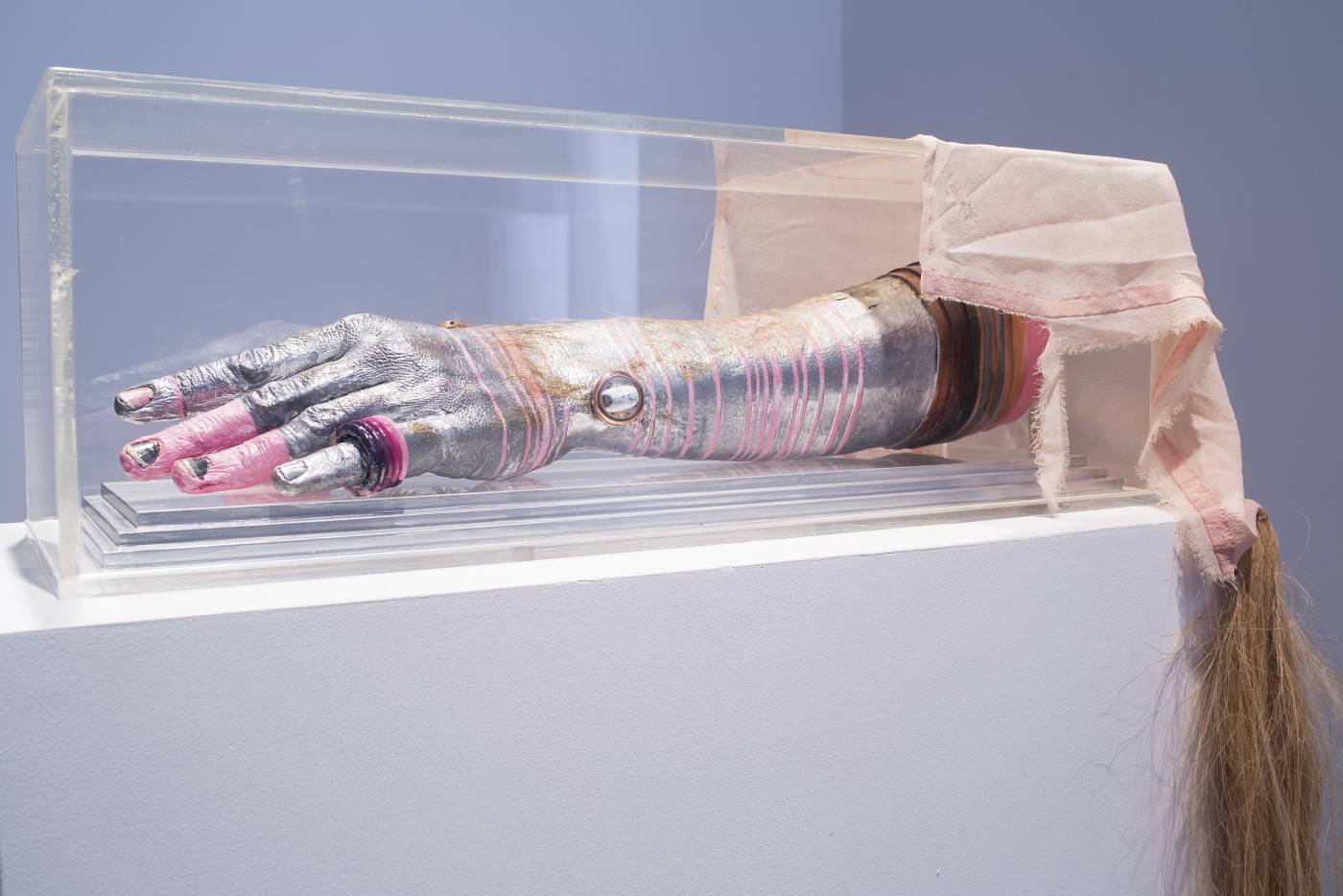
Äppärät included Jessie Flood-Paddock’s Just Loom, a wall painting based on an illustration of a worker operating a loom from Denis Diderot’s Encyclopédie. The piece combines this depiction of labor (or is it leisure?) with a very 21st-Century sculptural tableau, in which a bolt of mesh-like Kevlar fabric becomes the ground for several rubberized casts of the artist’s hand and forearm. Originally conceived to hang from the ceiling of Sigmund Freud’s study, Damián Ortega’s The Root of the Root is a sculpture formed from tools created by chimpanzees in Nigeria, gathered by the artist on a research trip with UCL primatologists. While tool use is common in the animal kingdom, from insects to crustaceans to birds, their symbolic use is restricted to the higher apes. If we might read this work, as Ortega has said, as an index of how “the hand transforms nature”, it is also a technological precursor to the objects displayed in vitrines by Shimabuku entitled Oldest and Newest Tools of Human Beings. In this work Neolithic hand-axes were set beside web-enabled Apple products of the same dimensions – tools created by members of the same species, albeit millennia apart.

Marlie Mul presented a pair of sculptures that took the form of oversized steel grills, commonly used by street smokers to stub out their cigarettes. Burned, ash-smeared and stuck with discarded butts, these compositions prompt thoughts about our addiction to handheld “devices” (whether they deliver nicotine or data), and their passage from pristine objects of desire to trash. Mul also created an onsite intervention, Cigarette Ends Here, using spent cigarettes gathered from the Marfa bar, The Lost Horse. Hung at the artist’s eye-level, Melvin Edwards’ “Lynch Fragments” sculptures reconfigure vicious looking pieces of hardware into forms that recall both histories of (sometimes enforced) labor, and exhibits in an ethnographic museum. His key piece Ogun Again takes its title from the Yoruba spirit of metal work. If Edwards’ sculptures suggest that human technologies might be imbued with a kind of quasi-animist life force, so too does Lee Lozano’s painting No title (ca. 1963-4), where an anthropomorphic hammer appears to engage in an impossible autoerotic act: its bulbous head penetrating the narrow cleft between its own claws – suggesting tools behaving like bodies, and bodies behaving like tools.

Paul Thek’s Untitled (from the series Technological Reliquaries) is at once the remains of a martyred saint, and an amputated cyborg’s limb. The artist points to enduring fantasies of the meeting of man and metal, and of how technology might protect, preserve, or even reanimate our fragile bodies. Charles Ray’s sculpture of an avian embryo, Handheld Bird, does not render the cupped palm suggested by its title, it nevertheless provokes us to meditate on the indivisibility of the holder and the held. Equally enigmatic, Trisha Donnelly’s photograph The Hand that Holds the Desert Down – is a close-up of the lifeless stone back paw of the Great Sphinx of Giza. 

In Roger Hiorns’ Untitled, the artist invited visitors to the Ballroom to chill their hands in a freezer, the better to contemplate a series of paintings made with liquidized cows’ brains. Performed on the exhibition’s opening night by a naked youth, this was a ritual of uncertain purpose. Hiorns also presented a newly commissioned work, A retrospective view of the pathway (falling sculpture) – a headless figure formed from a prosthetic used in a high profile action film and stuffed with pages from Martin Heidegger’s Being and Time, which was suspended from an electromagnet. At certain intervals, the magnet cut out, and the figure plunged to the ground. Sophie Jung’s new body of sculpture and performance work made in response to Äppärät created an associative chain between origami fortune tellers; “hand-woven” Ikea rugs; hand gestures that indicate money, salt, resistance and digital navigation; sock puppets; “life hacks” involving fixing drowned iPhones with dry rice; repetitive strain injuries; toxic “e-waste”; and Lady Macbeth’s “out damned spot!” speech. Her sculptures were accompanied by spoken narratives, which visitors could listen to on a series of iPod shuffles. At the opening of Äppärät, she performed the work Operation Earnest Voice.

In Ed Atkins’ high definition CGI film Even Pricks, shows human – and simian – thumbs inflate and deflate, the compulsive and destructive “economy of like”. Snatches of music, speech, and invented slogans interrupt what the artist has called his “super-viciously artificial” imagery, while the film’s atmosphere and its meticulously animated lens flares and fuzzy “cinematography” recall a tool, the camera, which has played almost no part in its creation. Cécile B. Evans’ film installation Hyperlinks or it didn’t happen also explores questions of how new technologies impact representation, and what constitutes a self. At its center is PHIL, a CGI rendering of the late actor Philip Seymour Hoffmann, who haunts a world he thought he’d departed. Featuring a cast of 21st-Century lost souls – from a Reddit user who claims his deceased girlfriend still posts on Facebook, to an Invisible Woman permanently slicked with green screen paint – this is a work about the physicality of data, and the digital afterlife.

The hand, in Äppärät, is a central motif, giving many of the works their scale, and can be imagined as a kind of mouse cursor, manipulating information on the interface of the show. From the Stone Age to the digital age, from the pre-human to the post-human, Äppärät suggests not only a neglected history of touch, and of tools, but also how this might help us arrive at what philosopher Roland Barthes termed “a certain philosophy of the object.”

Desert Surf Films

June 11, 2015

Film Series

Desert Surf Films was a program curated by Executive Director Susan Sutton – on Friday and Saturday, August 28-29, in the Ballroom Marfa courtyard. Desert Surf Films included two visionary films from the early ’70s, Alby Falzon and David Elfick’s Morning of the Earth and Elfick’s Crystal Voyager, along with shorts from Sam Falls and Ian Lewis. The program was a recognition of these classic features’ place in the history of international avant-garde cinema, and as near-perfect encapsulations of the transcendent surfing experience.

Daniel Chamberlin of Marfa Public Radio’s Inter-Dimensional Music program played dolphin-themed New Age, surf-folk and Balearic psychedelia before and after the screenings.


The schedule for Desert Surf Films was as follows:

Friday, August 28

Morning of the Earth

The classic 1971 surf film by Alby Falzon and David Elfick. Presented on 16mm.

Endless Bummer (2009)

A short film by Sam Falls and Joe Zorrilla.


Saturday, August 29

Crystal Voyager

The epic 1973 Australian surf film, directed by David Elfick, and filmed, written and narrated by surfer, photographer and filmmaker George Greenough.

The Adventures of NASASA (2015)

A short film by Ian Lewis.

This event was free and open to the public. 

DJ Camp 2015

May 7, 2015

Summer Shake Up

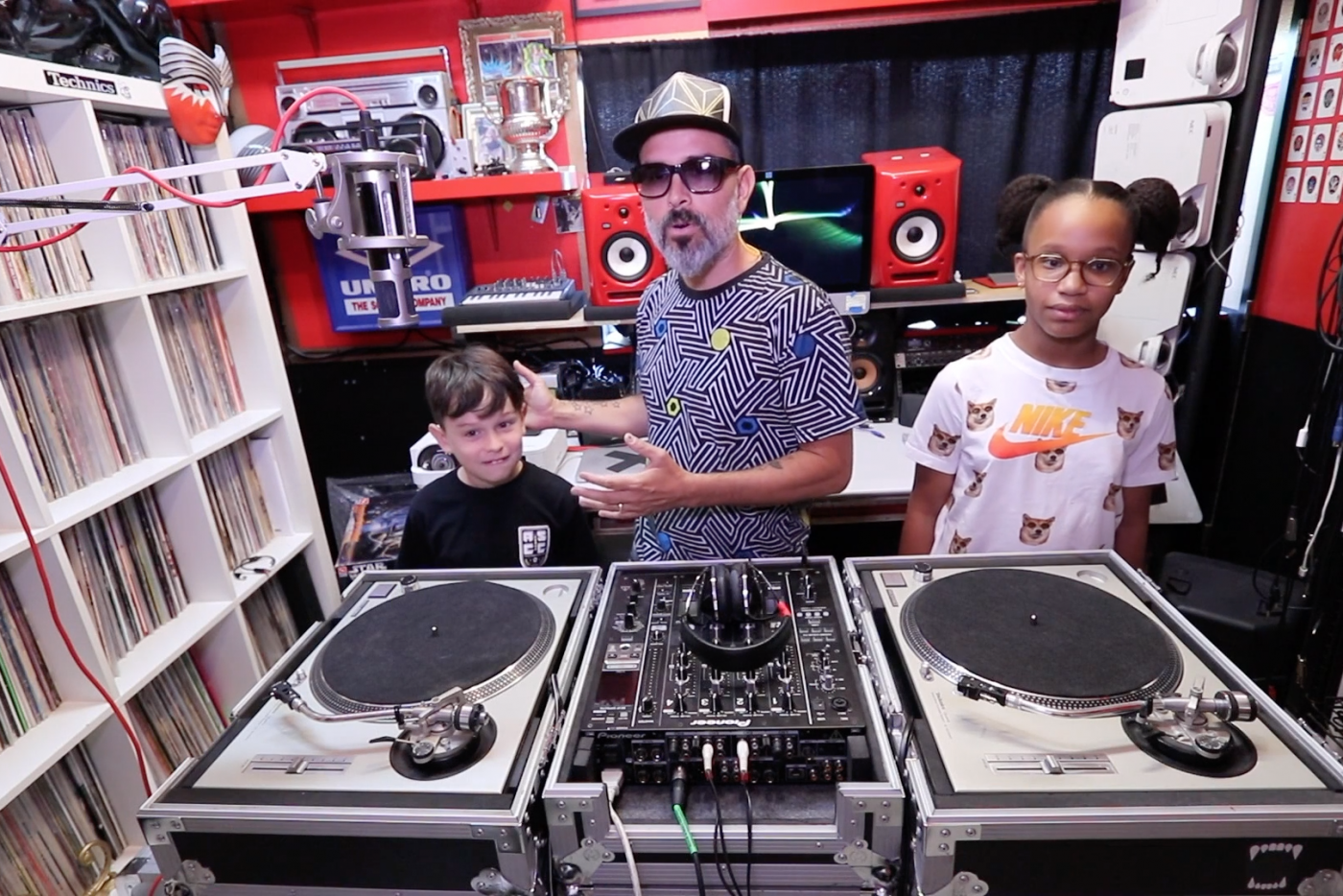
DJ Bigface


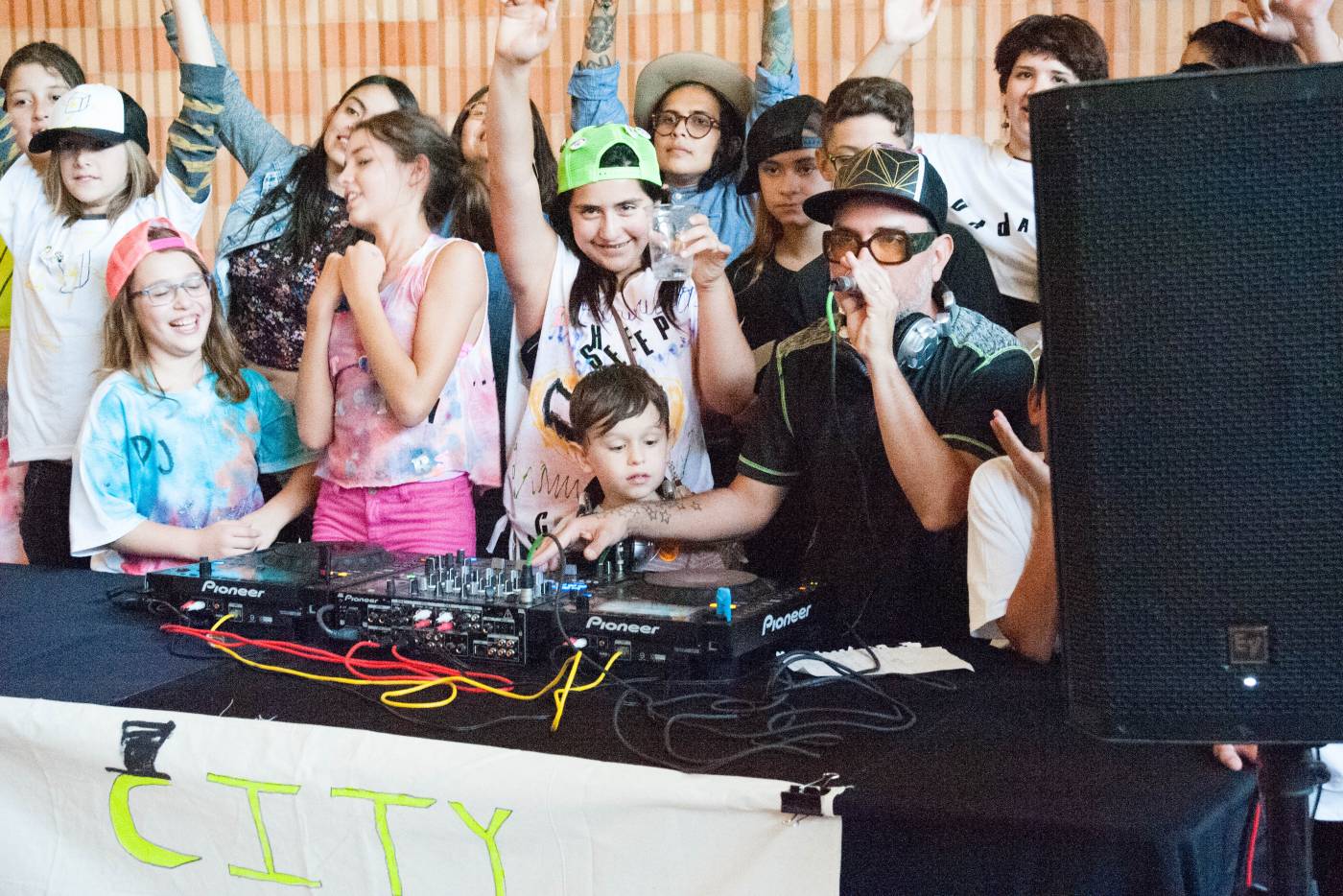
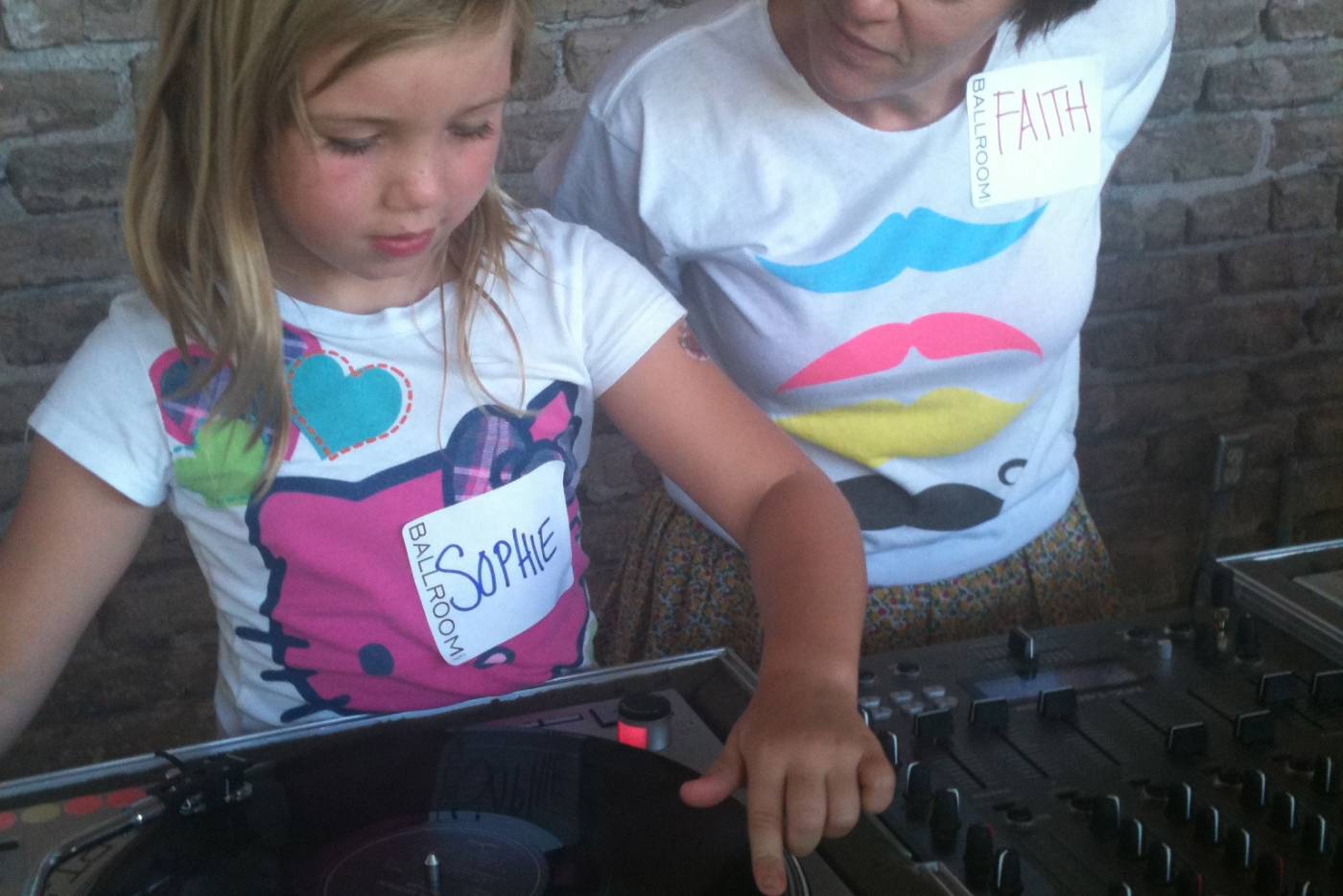
In 2015 we joined forces with Summer Shake Up, offered by Marfa Independent School District (MISD) in collaboration with other community partner organizations. The summer camp was free with breakfast, lunch, and transportation provided. All students were invited to participate.

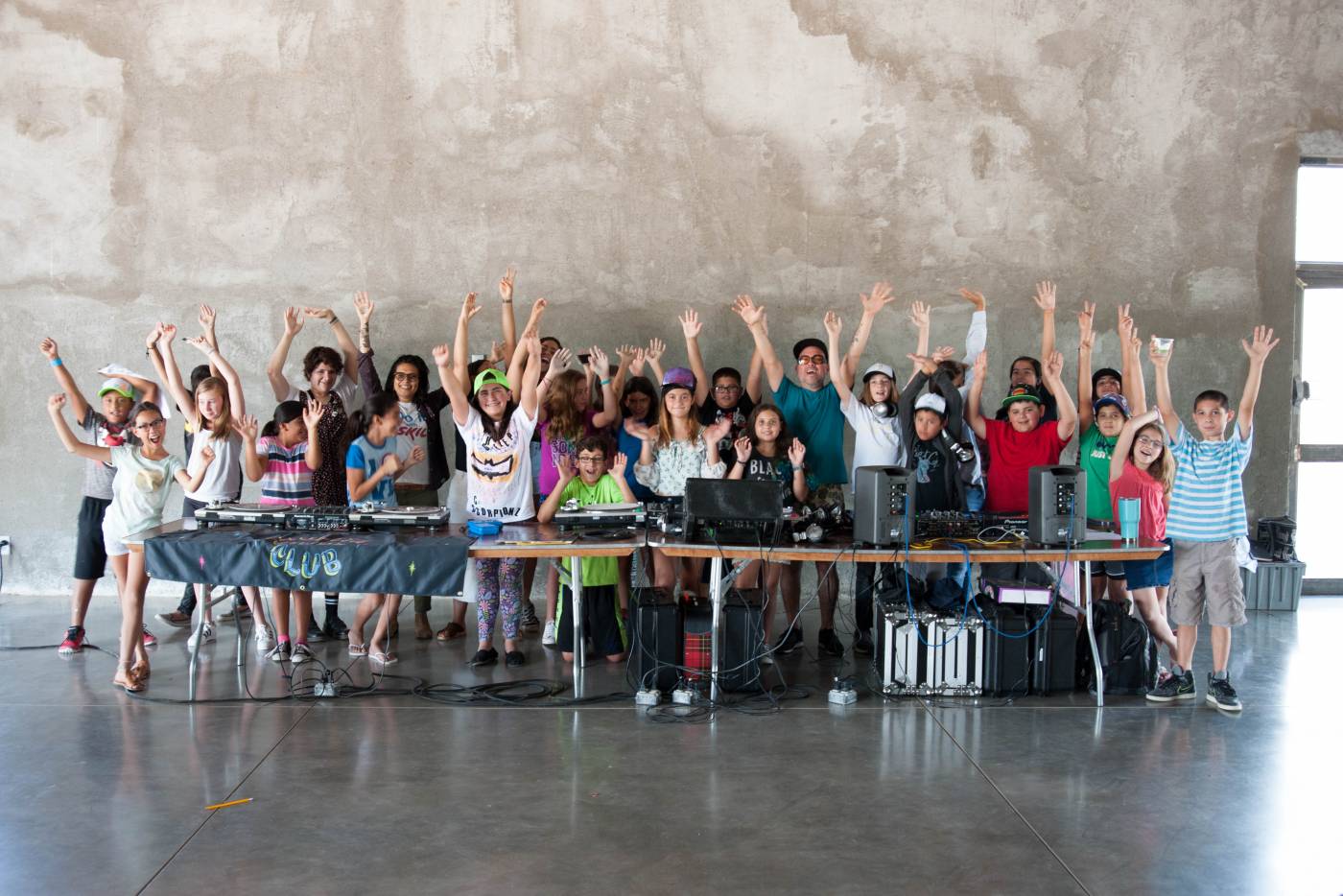
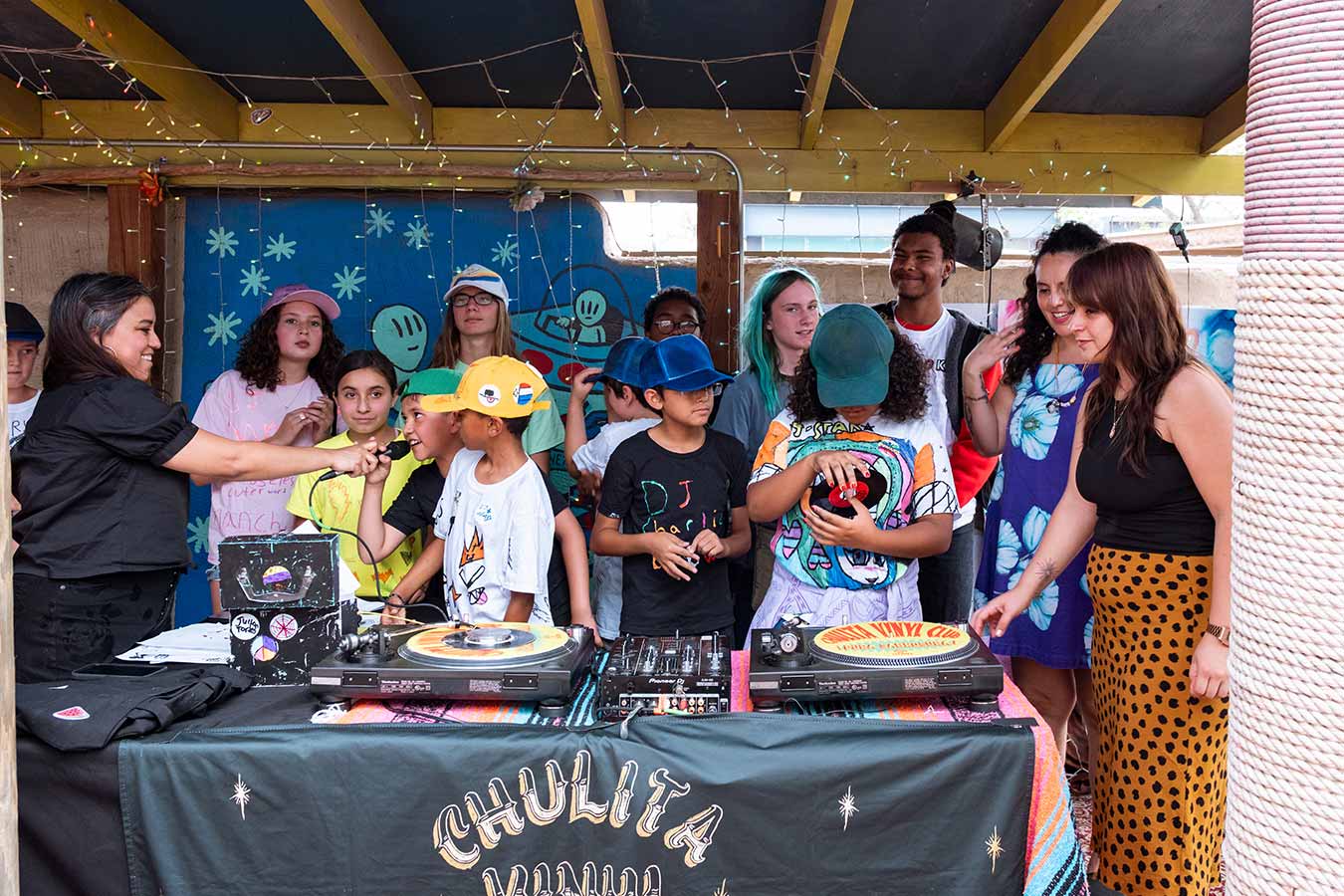
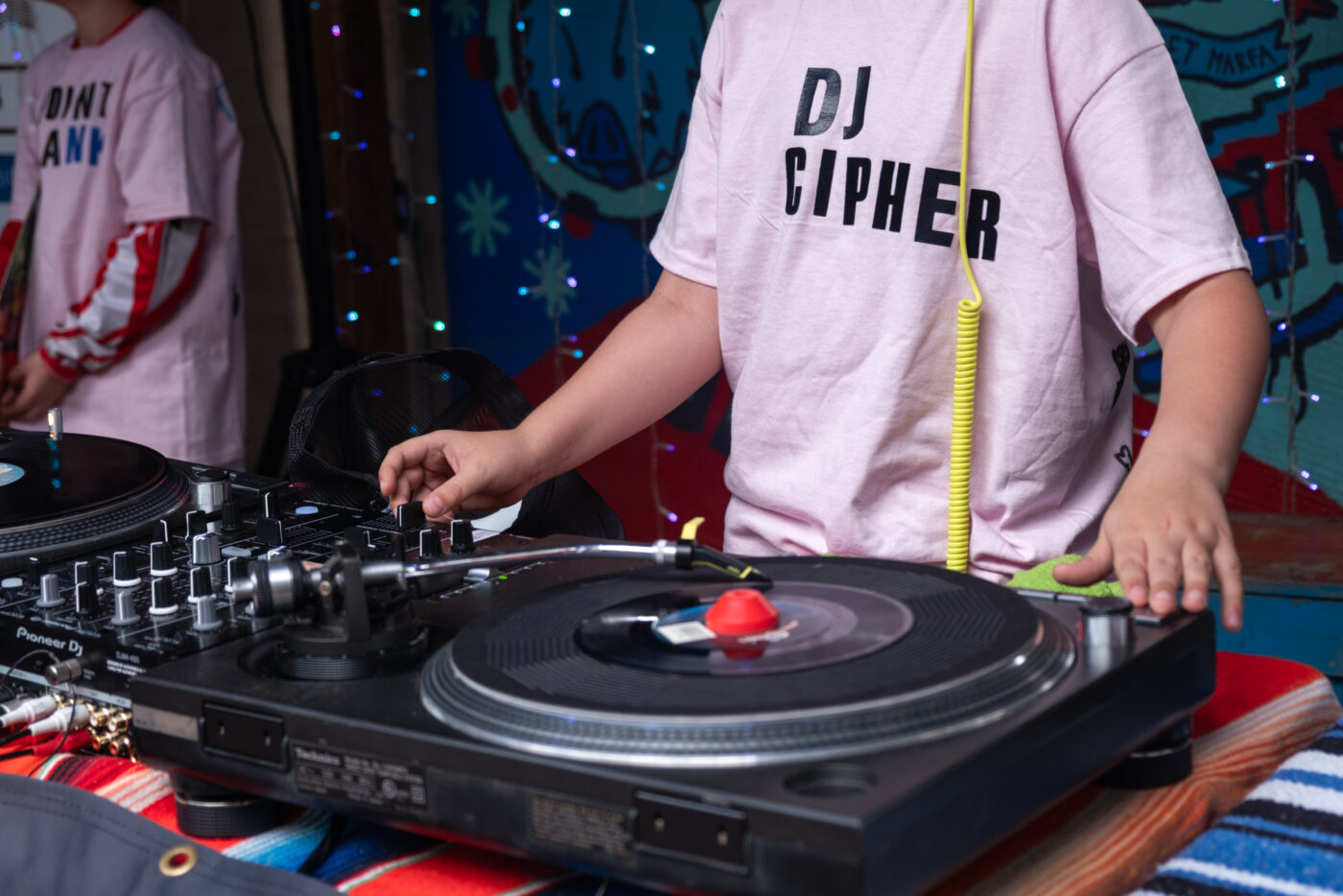
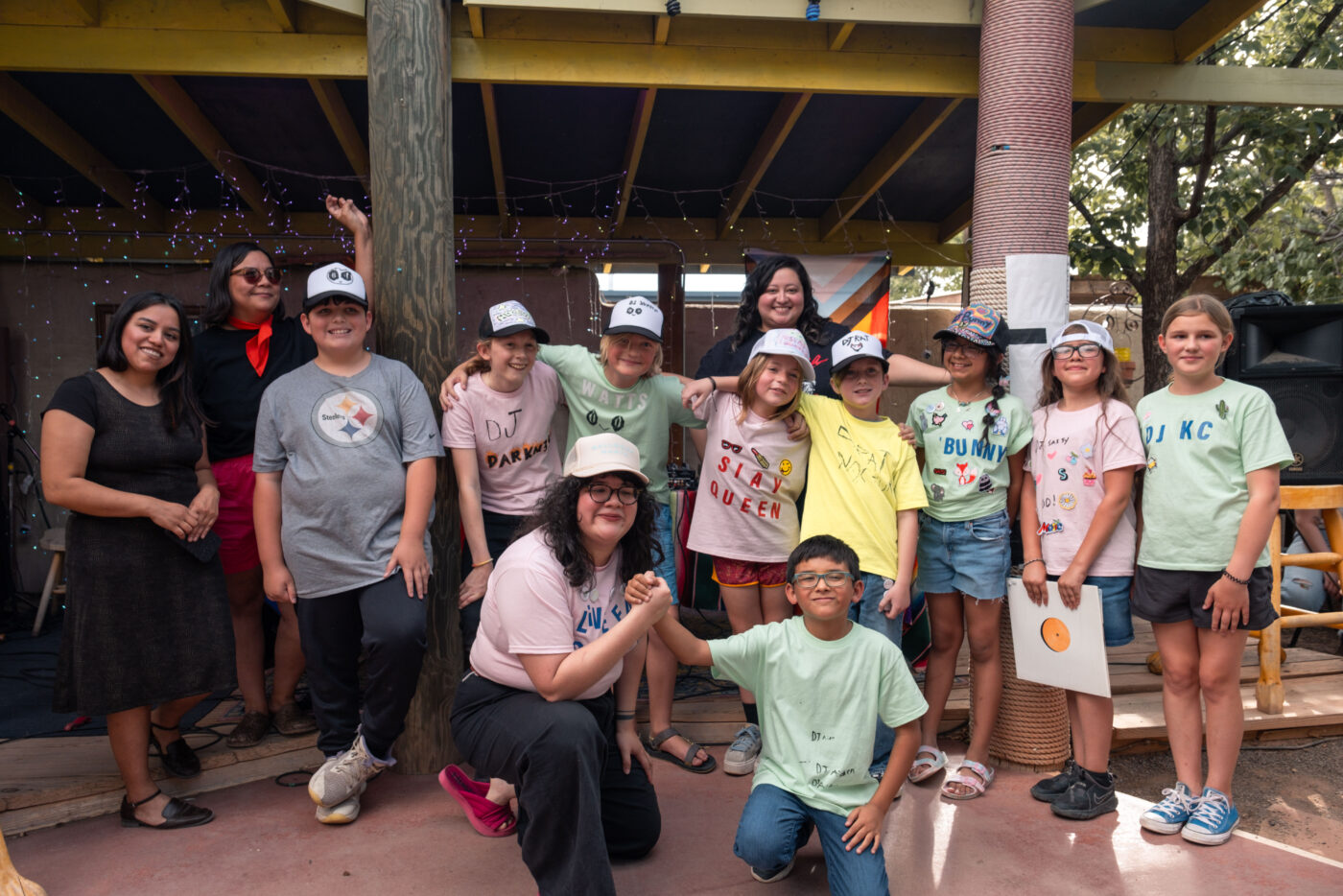
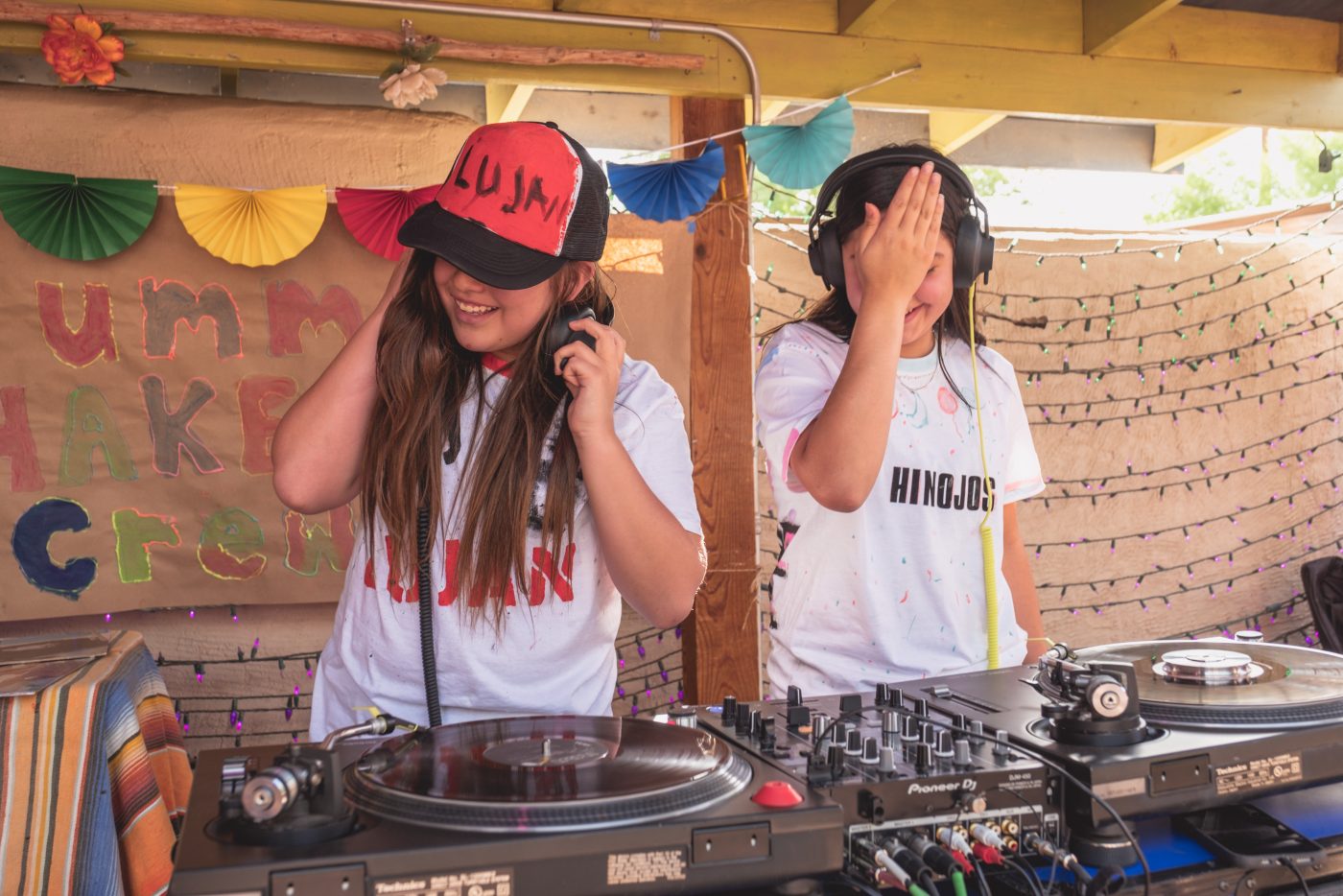
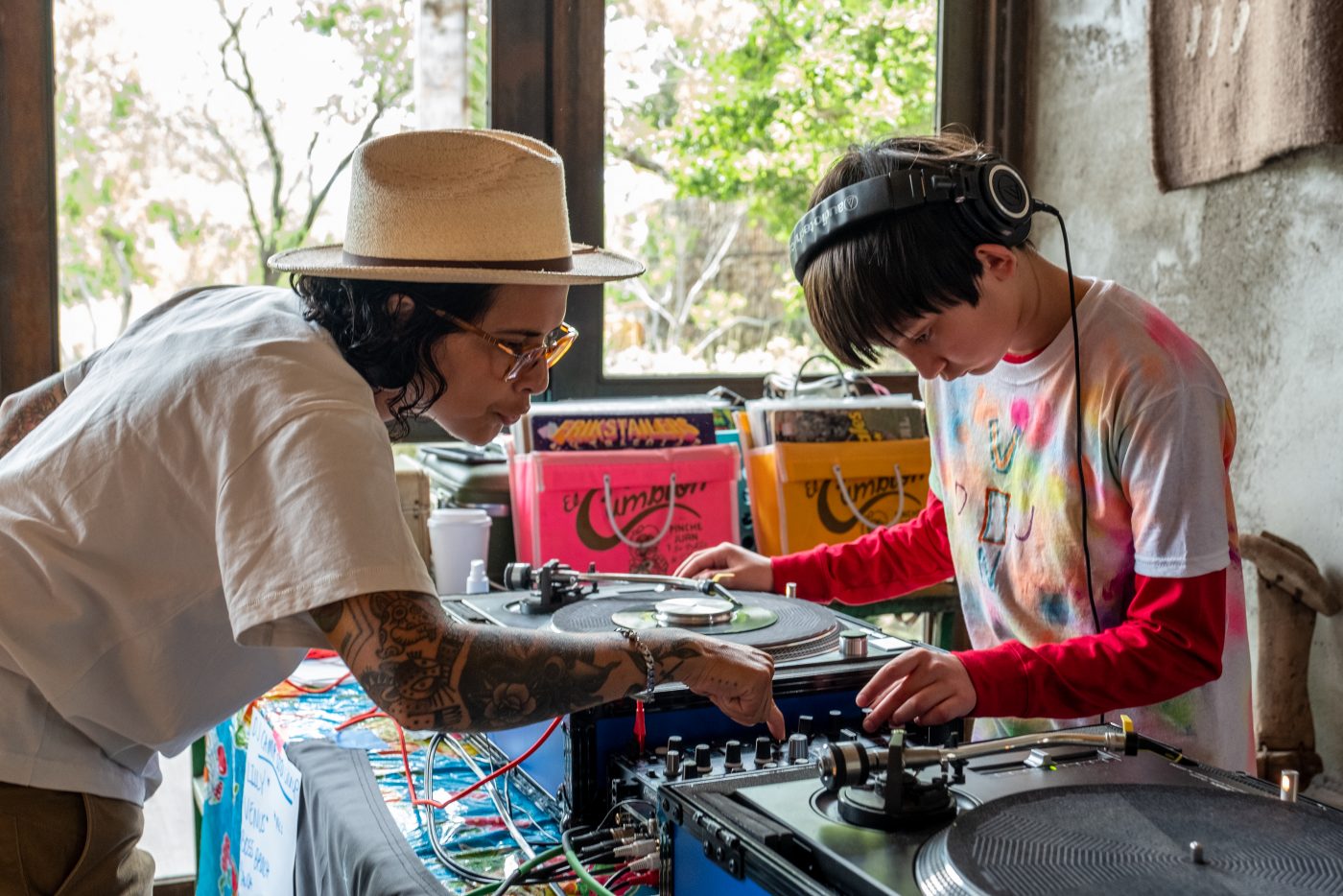
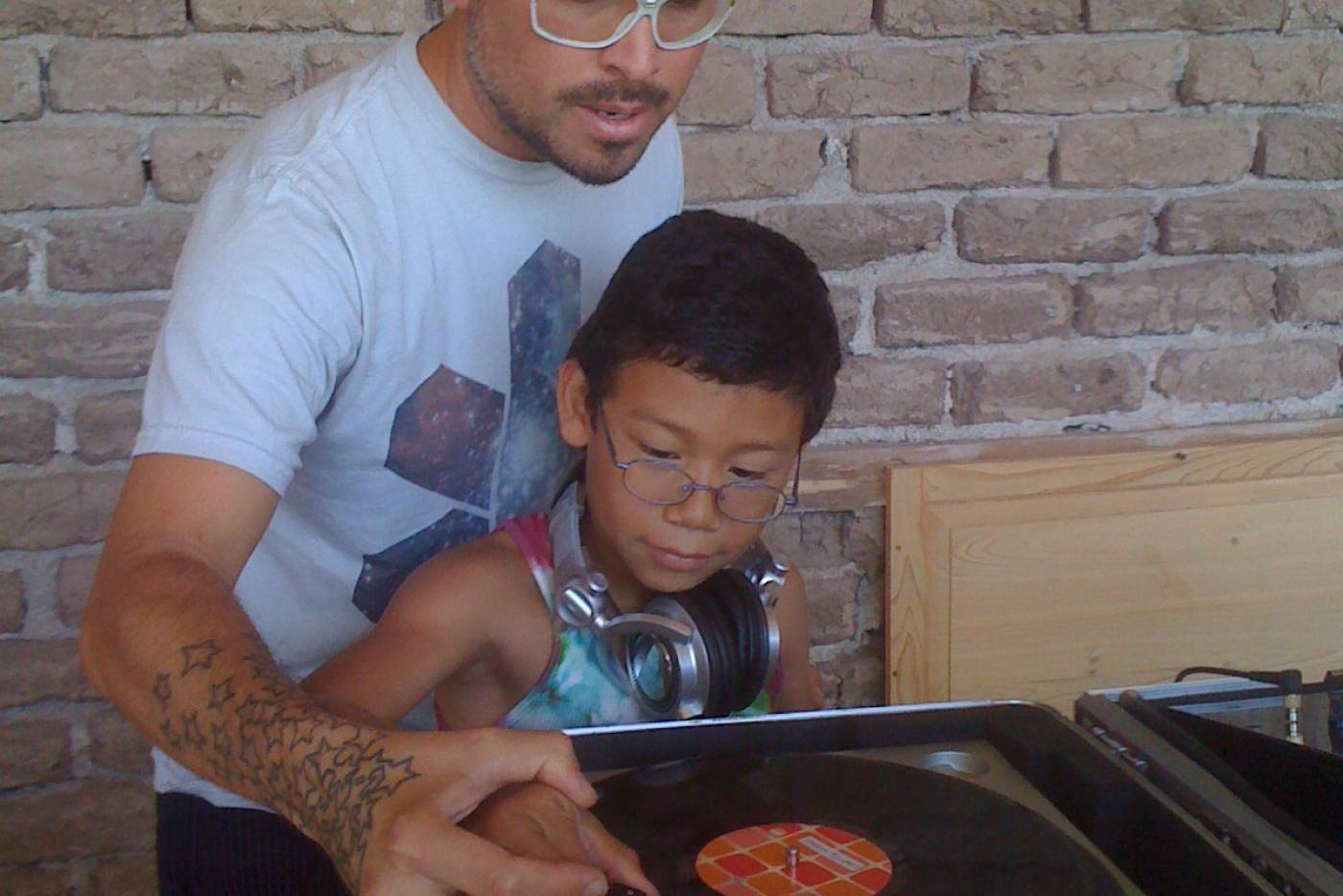
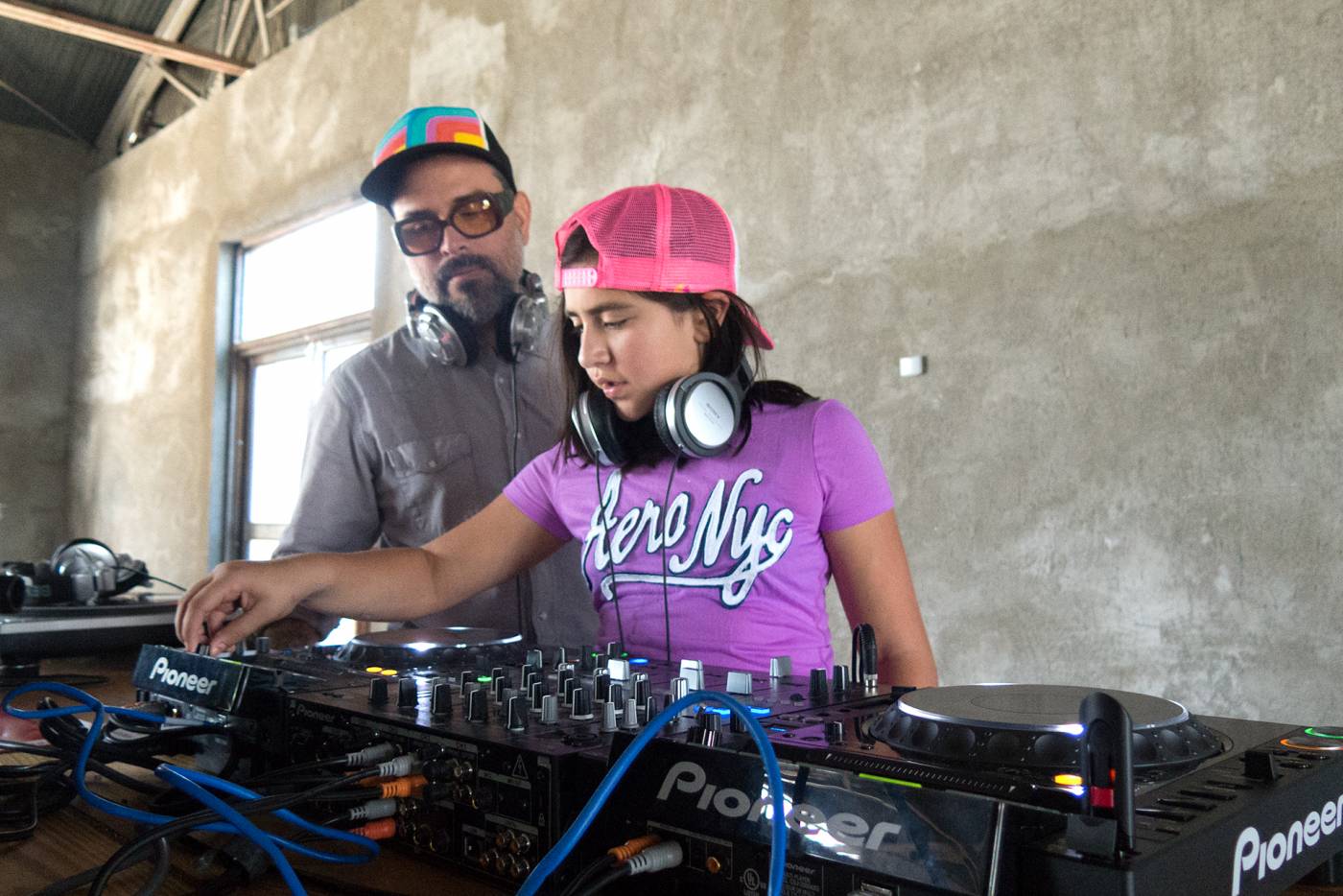
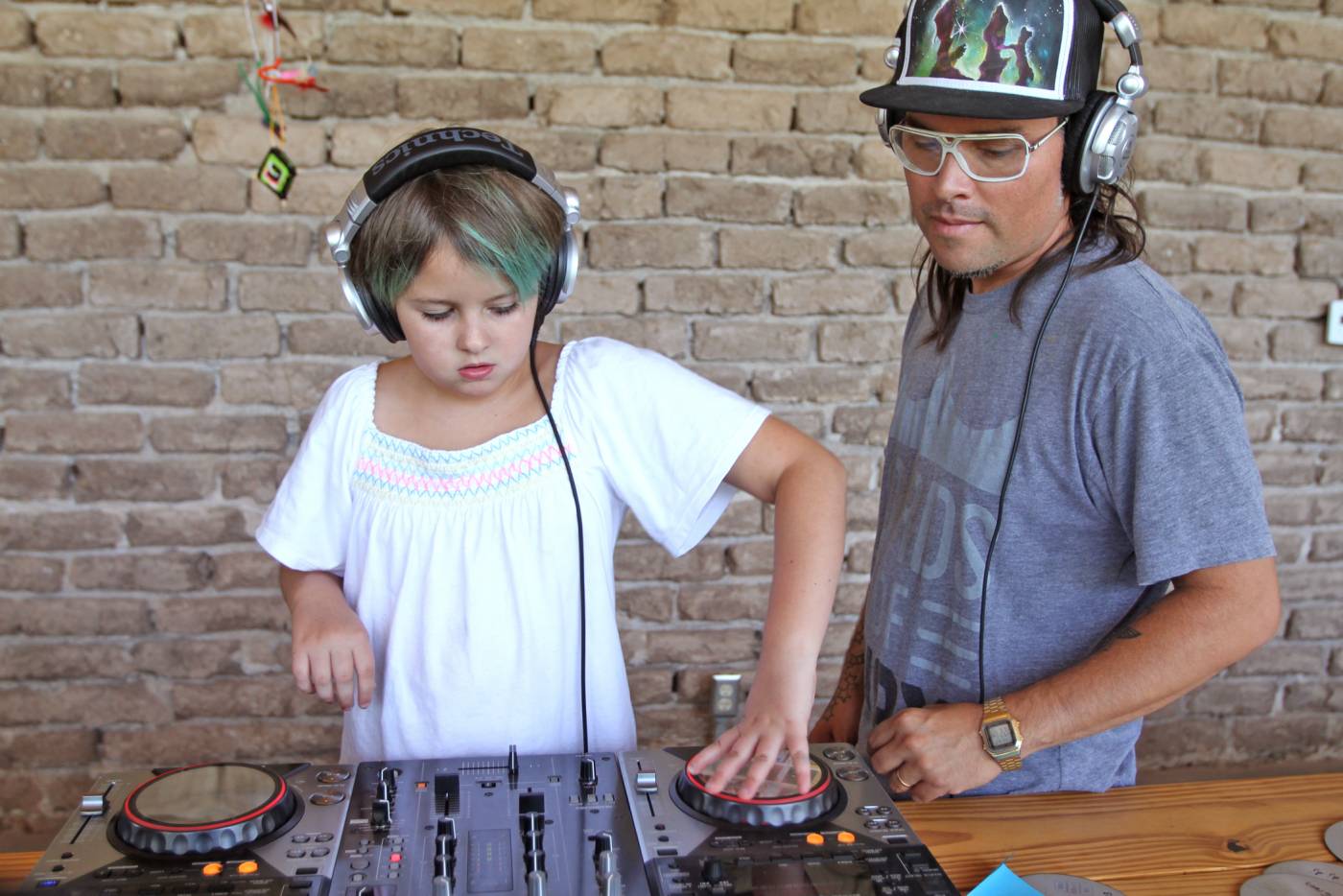
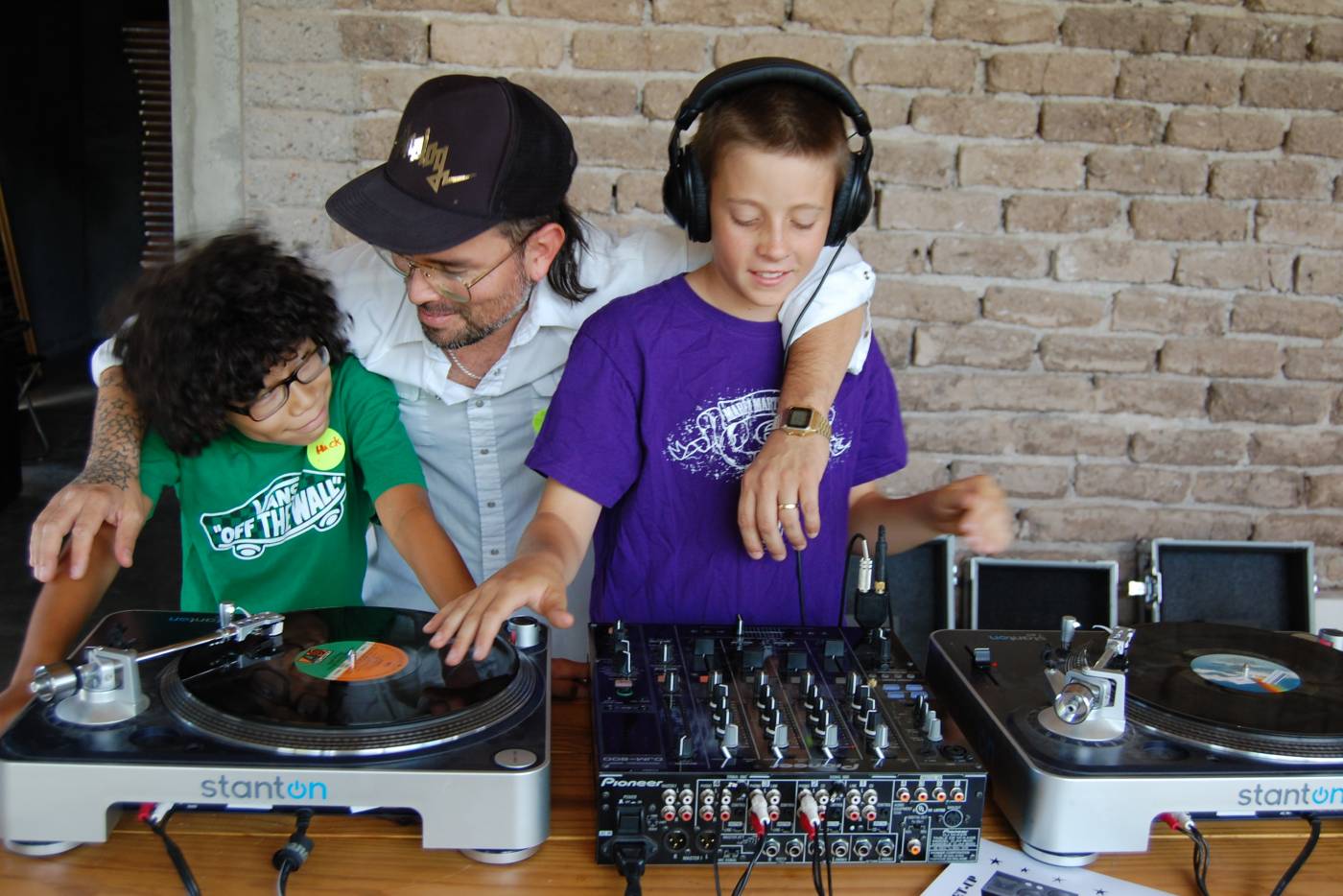
For our sixth annual DJ Camp, DJ Bigface returned to the Big Bend to offer essential guidance in real-live party-rocking skills. Students learned directly on DJ equipment and experimented with mixing songs and sampling music. The classes were designed to engage the imagination of students from all musical backgrounds, and throughout the week DJ Bigface highlighted other aspects of DJ culture, such as dance and visual art. While getting practical experience on the equipment was a core component of the camp, Bigface also presented DJing as an art form with a rich culture and history, with portions of each class covering the history of the DJ and basic music theory.

Classes took place over the course of four days and the camp concluded with a free public performance by the student DJs at Padre’s Marfa on Friday, July 3.

Steve Earle and the Dukes

March 31, 2015

Concert

Ballroom Marfa presented Steve Earle and the Dukes at the Crowley Theater on June 14, 2015. 

A protégé of legendary songwriters Townes Van Zandt and Guy Clark, Earle quickly became a master storyteller in his own right, with his songs being recorded by Johnny Cash, Willie Nelson, Emmylou Harris, Waylon Jennings, Travis Tritt, The Pretenders, Joan Baez and countless others. 1986 saw the release of his debut record, Guitar Town, which shot to number one on the country charts. What followed was a varied array of releases including the biting hard rock of Copperhead Road (1988), the minimalist beauty of Train A Comin’ (1995), the politically charged masterpiece Jerusalem (2002), and the Grammy Award-winning albums The Revolution Starts…Now (2004), Washington Square Serenade (2007) and Townes (2009).

On his 16th studio album, Terraplane, Earle pays tribute to the blues, influenced by the blues giants he saw growing up in Texas — Lightnin’ Hopkins, Freddy King, Johnny Winter, Jimmie and Stevie Ray Vaughan, Canned Heat, and Billy Gibbons. Recorded in Nashville, the new collection is his homage to the music that he calls “the commonest of human experience, perhaps the only thing that we all truly share,” and a record he has wanted to make for a long time. Over 11 original tracks, Earle and his band The Dukes traverse various forms of the blues — from the Texas roadhouse blues of opener “Baby Baby Baby (Baby)” to the Chicago blues of “The Usual Time.”


The Marfa Triptych: The Desert

August 12, 2014

Performance

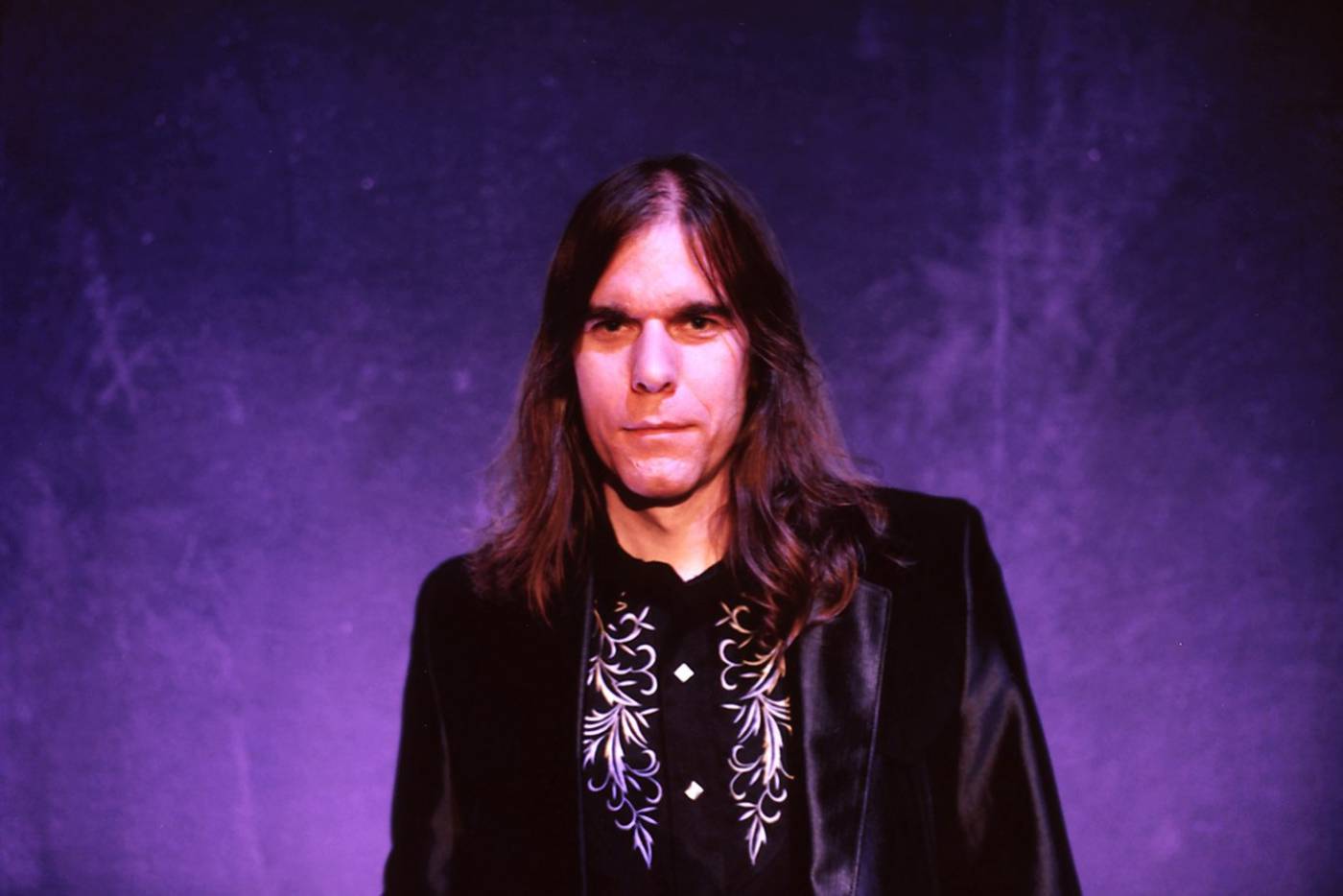
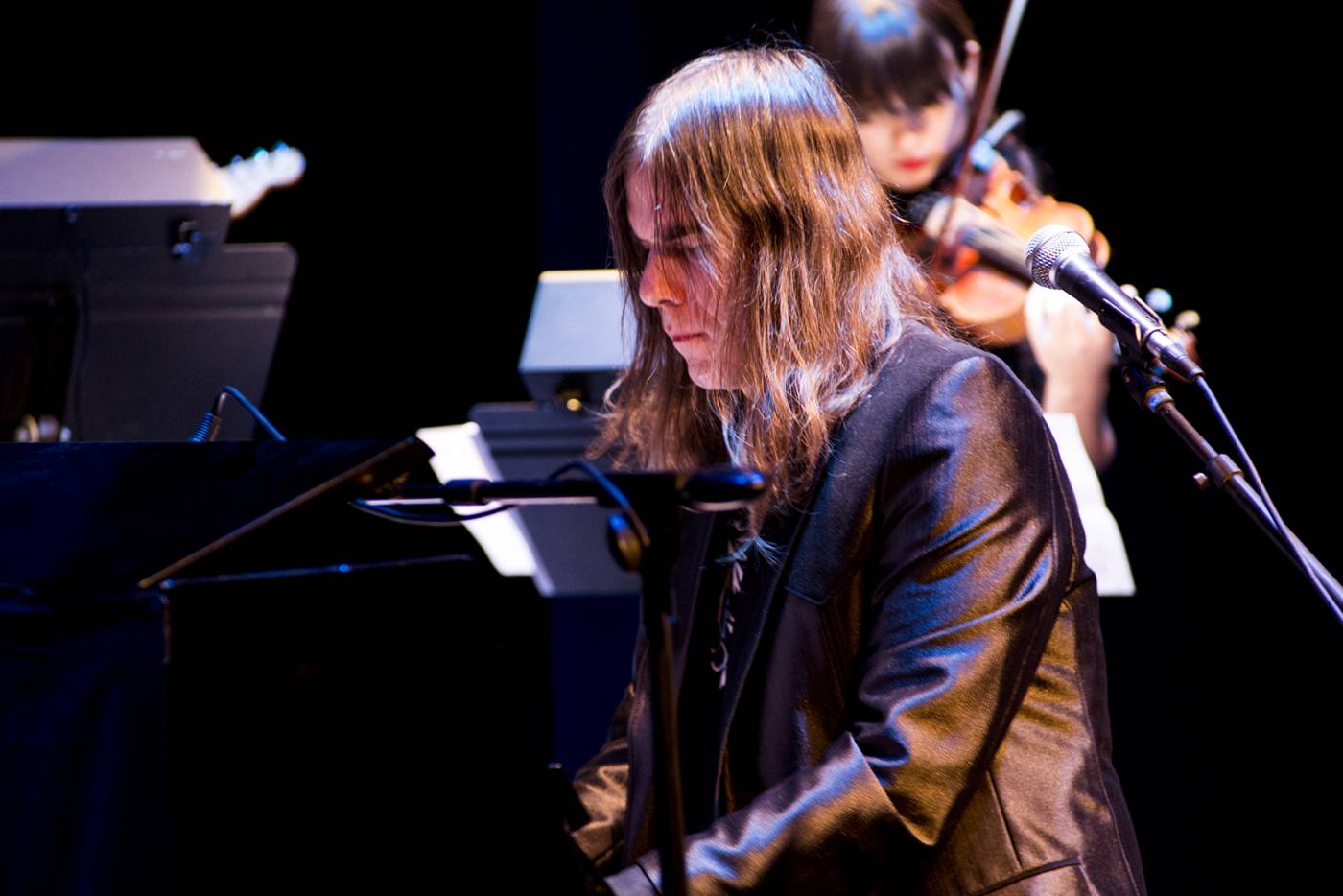
Austin-based composer Graham Reynolds returned to Marfa in 2014 to perform the second installment of The Marfa Triptych, three musical portraits of West Texas, commissioned by Ballroom Marfa. While the first and last pieces in the Triptych examine people and their place in this part of the world, The Desert focused on the natural world and the landscape here in the Chihuahuan Desert.

The Desert was a solo performance for layered piano, a production that used means both digital and site-specific to process the acoustic instrument’s sounds. The piece was performed outdoors at the Overlook at Mimms Ranch, where Reynolds scored the moon rising and the sun setting.

Sam Falls

July 31, 2014

Exhibition

Ballroom Marfa presented Sam Falls, an exhibition of new work highlighting Falls’ multidisciplinary approach to time and representation. The show featured all new sound, video, sculptural, and wall work, and was accompanied by an exhibition catalogue documenting the process and final installation of the artworks.

The transformation of materials and forms through the elements and time wove its way through many of Falls’ pieces. The exhibition showcased works created during Falls’ residency in Marfa in July 2014, where the artist engaged directly with the shapes and hues unique to the Far West Texas landscape.

“A significant element of my work is representing time and place through a merging of sculpture, painting, and photography; this idea was catalyzed in part by my trips to Marfa over the past several years,” says the artist. “I was taken by Donald Judd’s outdoor work Untitled (15 Works in Concrete) at the Chinati Foundation, impressed by how fixed and changeless the works appear compared to the landscape and passing time. As a result I have created several works based off of my love for minimal form but replaced its defiance of nature with an integration of the environment and change.”

Falls’ work approached the legacy of Minimalism in Marfa by engaging in a dialogue around sculpture, preservation, landscape, and authorship, that could only happen in the context of Marfa’s singular art historical landscape.